Table of Contents
Summary
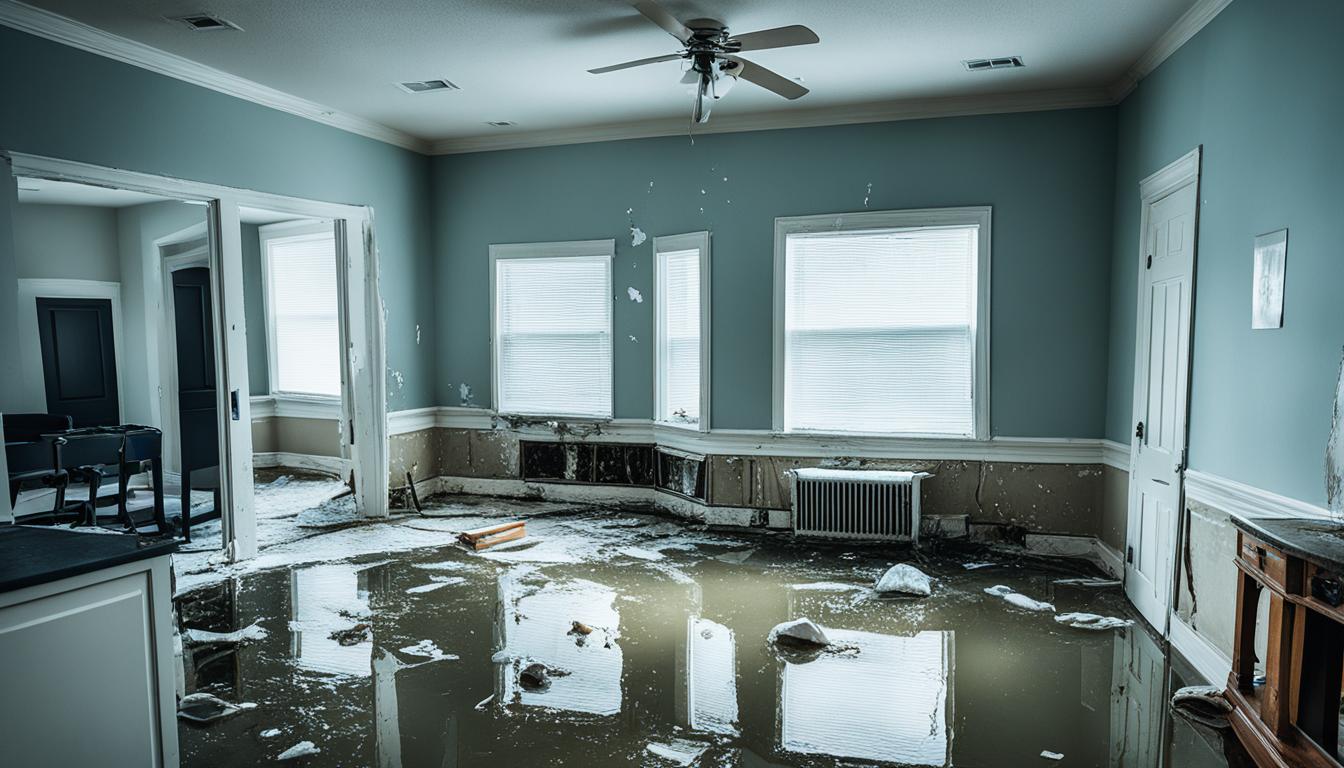
A wet subfloor does not always need replacement, but quick action is important to prevent mold, structural damage, and costly repairs. Understanding the signs of a wet subfloor under hardwood, tile, laminate, or vinyl flooring can help homeowners identify problems early.
The answer to “do I need to replace my subfloor after water damage” depends on factors such as moisture levels, damage severity, and whether the subfloor can be properly dried and restored. Professional inspection and moisture testing can help determine the right solution.
Can a Wet Subfloor Be Saved Without Replacement?
A wet subfloor does not always need to be replaced. The decision depends on factors such as the amount of water damage, how long the moisture remained, and whether the subfloor has structural damage, mold, or rot. Quick drying and professional assessment can help determine whether the subfloor can be repaired or needs replacement.
Imagine walking across your living room floor and hearing a loud squeak. You might notice a musty smell or feel an uneven floor. Could these be signs of a bigger problem beneath your feet? Do you need to replace the subfloor if it gets wet?
Subflooring is the foundation under your flooring, like hardwood or tiles. It’s made of plywood or softwood and supports your home. But, it can get damaged by water, like from burst pipes or leaks. This damage can lead to mold and harm your home’s structure, making subfloor replacement necessary.
If water stays on your floor for 24 to 48 hours, mold risk grows. Homeowners might choose to fix the subfloor themselves or get professional help. Small mold spots might be doable, but big damage needs experts. Black water, full of harmful pollutants, usually means you need a new subfloor.
Knowing how to handle wet subfloor damage is key. Quick action can stop small problems from becoming big, expensive fixes. In fact, acting fast can save your home from 80% of severe subfloor damage.
Key Takeaways
- Subfloors provide essential foundational support but can be damaged by water.
- Water exposure for more than 24-48 hours can lead to mold growth.
- Professional help is often necessary for cleaning and replacing subfloors damaged by black water contamination.
- Proactive and prompt responses to water damage can prevent extensive repairs.
- Water damage is responsible for about 80% of subfloor issues, highlighting the importance of moisture management.
Causes and Signs of Subfloor Water Damage
Knowing the causes and signs of subfloor water damage is key. It helps homeowners fix problems quickly and avoid big repairs. A wet subfloor can weaken a home’s structure and cost a lot to fix if not caught early.
Common Causes of Wet Subfloors
Many things can make a subfloor wet. Here are some common reasons:
- Flooding: Storms or natural disasters can cause a lot of water to get in.
- Burst Pipes: A burst pipe can quickly soak the subfloor.
- Slow Plumbing Leaks: Leaks from plumbing, like toilets and tubs, can cause damage over time.
- Appliance Leaks: Leaks from appliances like dishwashers can be slow and hard to notice but cause a lot of damage.
Fixing these problems quickly can stop you from having to replace the subfloor yourself.
Signs That Your Subfloor Is Wet
Spotting a wet subfloor early is very important. Here are some signs to look out for:
Signs of Wet Subfloor Under Hardwood Flooring
– Cupping or warping hardwood boards: Moisture trapped beneath hardwood can cause boards to bend, swell, or change shape.
– Squeaking or uneven areas: Soft spots, movement, or unusual sounds may indicate moisture damage below the surface.
– Gaps between hardwood planks: Water exposure can cause wood flooring to expand and contract unevenly.
Signs of Wet Subfloor Under Tile Flooring
– Loose or cracked tiles: Moisture damage beneath tiles can weaken the bond and cause movement.
– Cracked grout lines: Water damage can affect the materials supporting tile flooring.
Signs of Wet Subfloor Under Laminate or Vinyl Flooring
– Bubbling or lifting surfaces: Moisture trapped underneath laminate or vinyl can cause swelling and separation.
– Soft or uneven flooring areas: These can indicate water trapped below the finished flooring.
General Signs of a Wet Subfloor
- Spongy Feel: If the floor feels soft or sags, it might be rotting.
- Visible Warping: Warped floorboards mean water has gotten in.
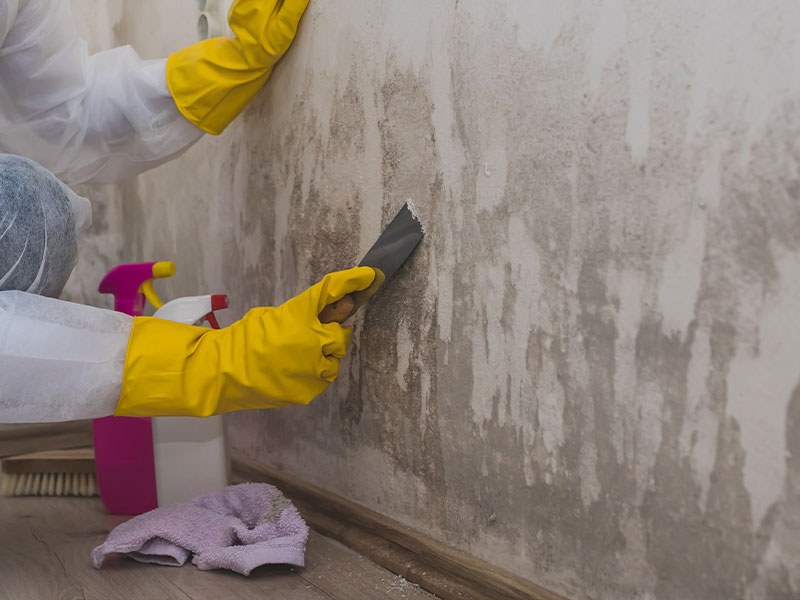
- Musty Smell: A musty smell can mean mold, a hidden danger of water damage.
Ignoring these signs can lead to bigger problems. It’s important to act fast and get professional help if needed. Regular checks for these signs can keep your subfloor strong and avoid the need for a full replacement.
Do You Have to Replace the Subfloor if It Gets Wet?
Deciding if you need to replace a wet subfloor depends on several factors. It’s important to assess the damage and act quickly. Follow these steps to make the right choice.
1. Assessing the Extent of Damage
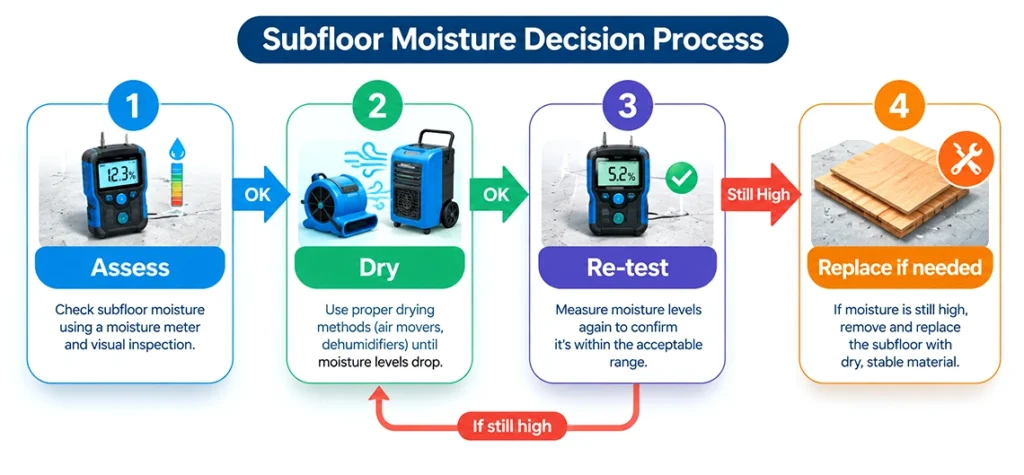
First, check how much water has gotten into the subfloor. Look for signs like warping, squeaking, and sinking. Experts can help figure out if you need to repair or replace the subfloor.
2. Immediate Steps to Take
Fix any leaks right away to stop more damage. Take off the floor above to see the subfloor. Using fans and dehumidifiers can help dry it out and save it.
3. Subfloor Drying Process
Drying the subfloor right is key to avoid mold and weakening. Make sure it’s well-ventilated and use moisture meters to check on drying. Professional drying services can be a big help. Keeping the area dry and using treatments can also help.
When Replacement Is Necessary
If the subfloor is badly damaged, has mold, or keeps having problems, it might need to be replaced. As per the CDC, hidden mold growth after water damage can also affect indoor air quality and may contribute to health concerns for some occupants. Severe water damage often means removing the bad parts to keep your home safe. Too much moisture can make it hard to fix and might need a pro.
New subflooring is usually 4-feet wide and up to 12-feet long. It’s important to install it right to keep your home strong. If not done correctly, it can cause big problems. So, it’s best to get professionals to do the job right.
Water Damaged Subfloor Cost
The cost to repair or replace a water-damaged subfloor depends on the size of the affected area, the extent of moisture damage, the type of flooring above it, and whether mold remediation is required. Minor repairs may cost less, while full subfloor replacement can require additional labor and materials.
For homeowners searching for water damaged subfloor costs, getting a professional inspection is the best way to determine the actual repair or replacement expense based on the damage.
Conclusion
When water damages a subfloor, the question is: do you have to replace it? The answer depends on how bad the damage is. A leaky fridge or rainwater can quickly cause rot in the subfloor. Even a little water can lead to mold and damage if not fixed fast.
Knowing how to replace a subfloor is important. First, you need to check the damage. Hardwood floors can show damage in just a day or two. Laminate and vinyl floors might look fine but can hide mold.
Fixing a subfloor right means using the right materials and methods. Use 5/8” thick, exterior-grade plywood for moisture resistance. Make sure to leave a 1/8th inch gap for wood to expand. The cost depends on the damage’s size and severity. In bad cases, replacing the whole subfloor might be the best choice. Quick and professional action is key to keeping your home safe and sound.
If you have water damage affecting your subfloor, Emergency Restoration Services LLC can help assess moisture issues, provide professional drying solutions, and determine the best restoration approach. Contact our team today for expert water damage restoration support.
Frequently Asked Questions
1. How long does it take to dry a subfloor?
The drying time depends on the amount of water exposure, subfloor material, ventilation, humidity, and drying equipment used. Professional drying methods can help speed up the process and confirm when moisture levels are safe.
2. What are the signs of a wet subfloor under hardwood?
Common signs include warped or cupped boards, squeaking floors, uneven areas, gaps between boards, and musty odors. These signs may indicate moisture trapped beneath hardwood flooring.
3. Can a wet subfloor be saved without replacement?
Yes, in some cases, a wet subfloor can be saved if moisture is removed quickly and the material has not experienced major structural damage, rot, or mold growth.