Table of Contents
Summary
Mold can begin growing on wet carpet within 24 to 48 hours when moisture, warmth, and poor airflow create the right conditions. Understanding how fast mold grows on wet carpet helps homeowners take quick action after spills, leaks, or flooding.
Checking for hidden moisture, including mold under carpet and signs of mold under carpet padding, is important because mold growth may begin before visible damage appears. Quick drying, humidity control, and professional restoration services can help protect carpets and indoor air quality.
How Quickly Can Mold Grow on Wet Carpet?
Ever wondered how fast mold can take over your carpet? It can turn a cozy home into a health risk in no time. Mold grows quickly on carpet when it has the right conditions. It spreads fast, often before you even see it.
Mold spores start growing on wet carpet in just 24 to 48 hours. This happens especially in humid or poorly ventilated areas. The moisture, temperature, and carpet material all affect how fast mold spreads. It’s important to act quickly to stop mold and its health risks, like breathing problems and allergies.
Key Takeaways
- Mold spores can become active on wet carpet within 24-48 hours.
- Effective drying of wet carpets is crucial to prevent mold growth.
- High humidity and poor ventilation are prime catalysts for mold growth in carpets.
- Professional carpet cleaning can help remove mold spores and ensure carpets remain mold-free.
- Mold growth poses various health risks, from allergies to more severe respiratory issues.
- Maintaining home humidity below 40% can help prevent mold growth.
What Influences the Speed of Mold Growth on Carpet?
The speed of mold growth on carpet depends on several factors. These include moisture levels, the carpet’s temperature, and its material. According to the EPA – A Brief Guide to Mold, Moisture, and Your Home, controlling moisture is one of the most important steps in preventing mold growth. Knowing these can help prevent mold from growing.
Several factors influence how fast mold grows on wet carpet, including:
– Moisture exposure: Carpet that remains wet for 24 to 48 hours creates an environment where mold spores can begin growing. Water leaks, flooding, and spills increase the chance of mold development.
– Humidity levels: High indoor humidity allows mold to grow faster because moisture remains available for longer periods.
– Temperature: Warm temperatures can speed up mold activity, especially when combined with moisture and limited airflow.
– Air circulation: Poor ventilation slows drying and allows moisture to remain trapped inside carpet fibers and padding.
– Carpet material and padding: Organic materials and damp carpet padding can provide nutrients that support mold growth, including mold under carpet areas that are difficult to see.
Where Does Mold Grow in Carpets?
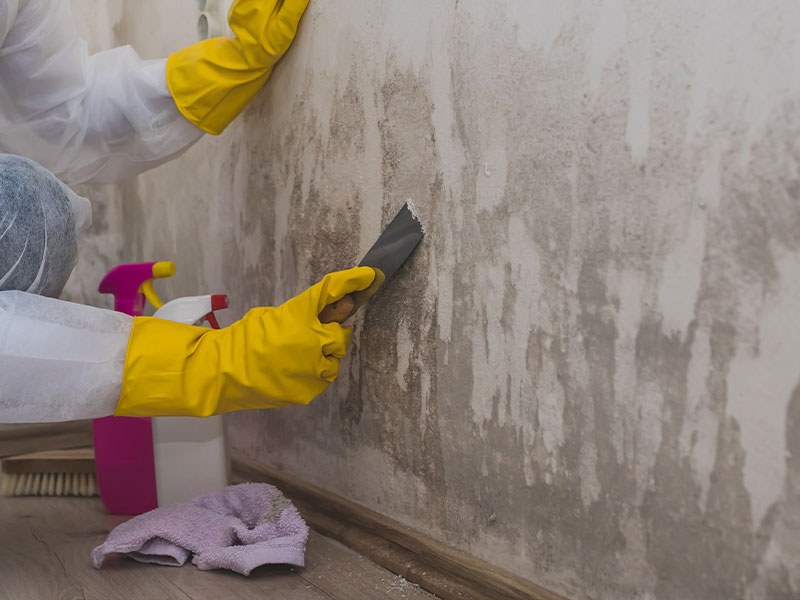
Mold can grow in different areas of a carpet, especially where moisture becomes trapped. While surface mold may be easier to notice, hidden growth can develop underneath the carpet, including areas such as carpet padding and the subfloor.
Common areas where mold may grow include:
– Under carpet padding: Moisture trapped beneath carpet padding creates a dark, damp environment where mold can develop. This can make signs of mold under carpet padding difficult to identify without inspection.
– Carpet fibers: Wet carpet fibers can hold moisture and organic material that supports mold growth when drying is delayed.
– Around carpet edges and corners: Areas with limited airflow, such as corners and spaces near walls, can retain moisture and encourage mold growth.
– Below furniture or stored items: Furniture placed on damp carpet can restrict airflow and increase the chance of hidden mold development.
If you are wondering whether wet carpet can be saved from mold, the answer depends on how quickly the carpet is dried, the extent of water damage, and whether mold has already started growing. Professional evaluation can help determine whether cleaning and drying are enough or if replacement is required.
What Increases Mold Risk After Water Damage?
Water damage can significantly increase the risk of mold growth because carpets and padding can absorb and hold moisture. The longer moisture remains, the higher the chance that mold spores will begin developing.
Factors that increase mold risk after water damage include:
– Delayed drying: Carpet that remains wet for more than 24 to 48 hours has a greater chance of developing mold.
– Flooding or heavy water exposure: Large amounts of water can saturate carpet padding and create conditions where mold can grow beneath the surface.
– High humidity: Moist indoor air slows evaporation and keeps carpets damp for longer periods.
– Poor ventilation: Limited airflow prevents moisture from escaping and increases the likelihood of mold growth.
– Hidden moisture: Water trapped under carpet padding or beneath flooring materials can allow mold to grow without visible signs on the carpet surface.
Taking quick action after water damage is important. Removing standing water, drying affected areas, and controlling humidity can help reduce the chance of mold growth.
How fast does mold spread on carpet?

Mold can grow very quickly on carpet if the conditions are right. Moisture, warmth, and carpet fibers provide a perfect setting for mold. It can start to grow in just 24 to 48 hours after a carpet gets wet.
After that, mold spores begin to spread within 3 to 12 days. They become visible in about 18 to 21 days.
The speed at which mold spreads depends on humidity and air movement. Once it starts, mold can grow fast. It can cover one square inch of carpet per day.
This can damage the carpet and pose health risks. Mold spores can make breathing problems worse and trigger allergies.
To stop mold from spreading quickly, it’s important to act fast. Fixing water damage within 24 to 48 hours is key. Dry the carpet well and keep humidity low to slow mold growth.
Quick action in controlling moisture helps keep mold at bay. This protects the carpet and improves indoor air quality.
Preventing Mold Growth on Carpets
Keeping carpets mold-free is key to a healthy home. Mold loves dark, damp places, making carpets a perfect spot. To stop mold, install carpets away from wet areas like bathrooms and basements. Using synthetic fibers that resist mold is also helpful.
High-quality padding under the carpet is vital. Wet padding can grow mold. Fast action is needed for water spills. Use dehumidifiers to dry the area quickly and stop mold.
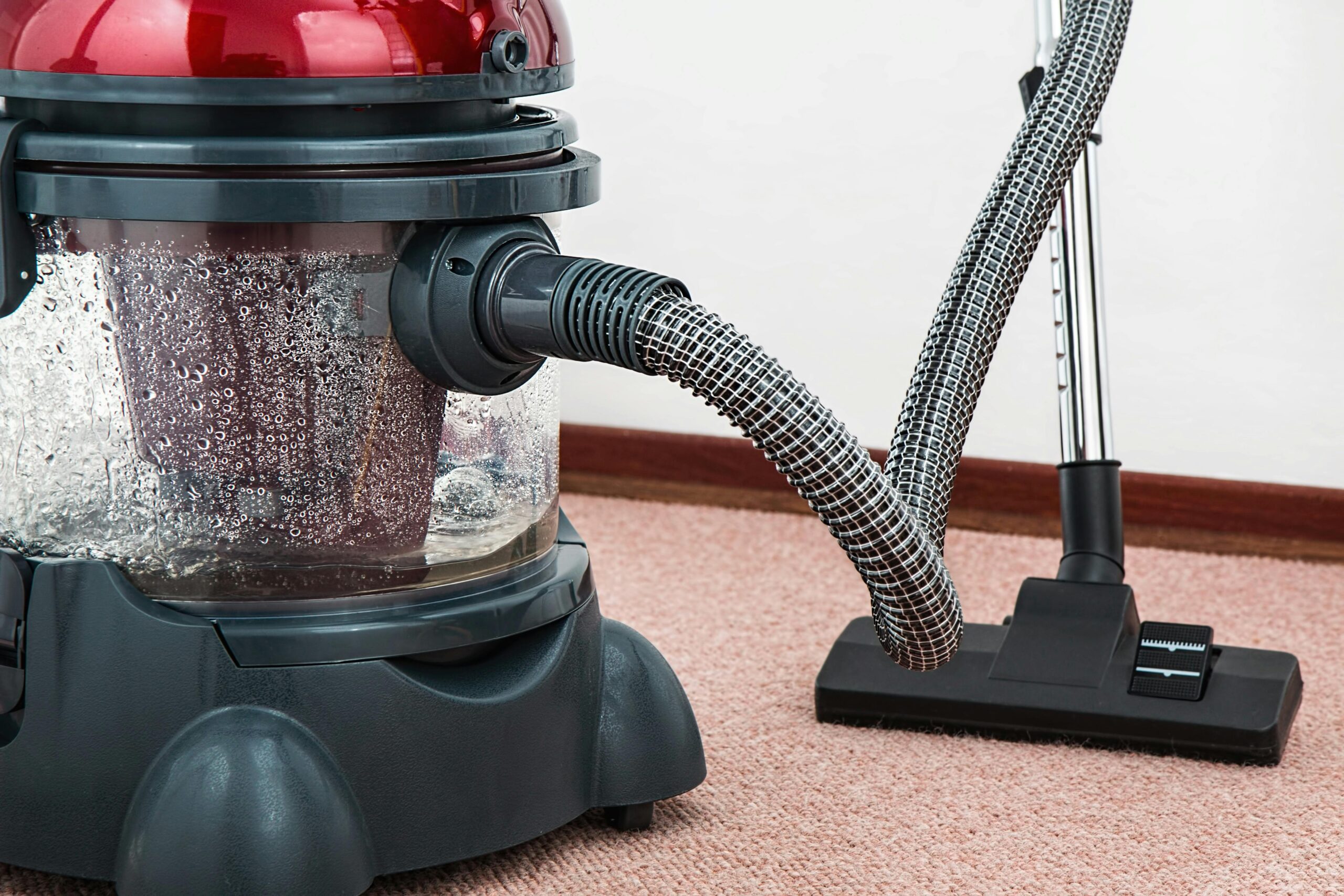
Regular cleaning is important. Vacuuming removes dirt that mold feeds on. Disinfectants like baking soda or vinegar can clean moldy spots. Steam cleaning also sanitizes and freshens the carpet.
To prevent mold long-term, use dehumidifiers and keep air flowing. Fix water leaks fast and avoid damp carpets. Wear protective gear like gloves and masks when cleaning mold.
If home fixes don’t work, get professional help. Mold experts can assess and fix the problem quickly. Remember, mold grows in 24 hours on damp carpets, so act fast.
By following these steps, you can keep your home mold-free. Quick action, regular care, and expert help are essential. This way, you can enjoy a healthier home.
Conclusion
Keeping your carpet mold-free is key to good indoor air and a healthy home. Mold can start growing on damp carpets in just 24 to 48 hours. Saturated carpet pads can get mold and mildew in 48 to 72 hours. This shows how fast mold can spread, making quick action crucial.
Homeowners need to watch out to avoid health problems and damage from mold. To keep carpets mold-free, dry wet carpets fast and use professional cleaning services. Vacuuming carpets and rugs 1-2 times a week and deep cleaning every 12-18 months helps remove dirt and dust that can stop mold.
If you have wet carpet after water damage, Emergency Restoration Services can help assess moisture problems, remove water, and reduce the risk of mold growth. Contact our team for professional restoration support.
By following these steps, you can keep your carpets mold-free. This ensures your family stays healthy and safe.
Frequently Asked Questions
1. How fast does mold grow on wet carpet?
Mold can begin growing on wet carpet within 24 to 48 hours when moisture remains trapped. Quick drying and moisture removal are important to reduce the chance of mold development.
2. Can wet carpet be saved from mold?
Wet carpet may be saved from mold if it is dried quickly and properly before mold growth begins. The condition of the carpet, amount of water exposure, and length of time it remained wet will determine whether restoration is possible.
3. What are the signs of mold under carpet padding?
Common signs of mold under carpet padding include musty odors, damp areas that do not dry, discoloration, increased allergy symptoms, and visible mold around carpet edges or underneath the carpet.
4. Does mold always appear on the surface of wet carpet?
No. Mold can grow beneath carpet fibers, inside carpet padding, or under flooring where moisture becomes trapped. This is why hidden moisture inspections are important after significant water damage.
5. What should I do if my carpet gets wet after flooding?
Remove excess water as quickly as possible, improve airflow, use drying equipment if available, and monitor for signs of mold growth. If the carpet remains wet or water damage is extensive, professional restoration help may be needed.