Mold is a fungus that grows in damp places. It can cause health problems based on how long and how much you’re exposed to it. The question, how long do you have to be exposed to mold to get mold poisoning, is complex. Some people might react right away, while others might not show symptoms until later.
How you react depends on your sensitivity and the amount of mold spores around you. Symptoms can be mild, like a stuffy nose, or serious, like breathing problems. This varies based on how much mold you’re exposed to.
Key Takeaways
- Mold is a fungus that thrives in damp environments and can cause health issues.
- Health impacts of mold exposure depend on duration, amount, and individual sensitivities.
- Immediate reactions are possible for some, while others may develop symptoms gradually.
- Symptoms of mold poisoning can range from mild nasal congestion to severe respiratory conditions.
- The volume of mold spores in the environment significantly influences symptom severity.
Table of Contents
Understanding Mold and Its Health Impacts
Mold is a type of fungi that grows in damp places. It’s found both inside and outside. These tiny organisms help break down organic matter. But, when mold gets into homes, it can be harmful to our health.
What is Mold?
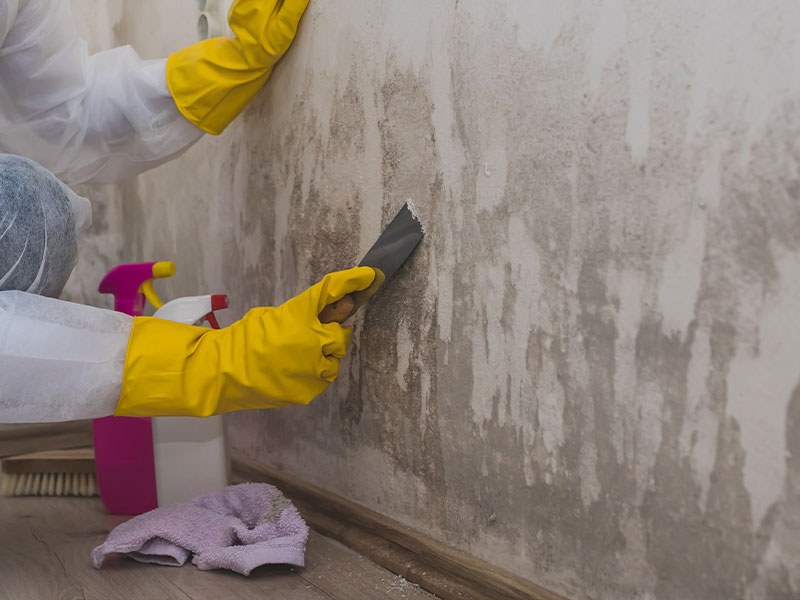
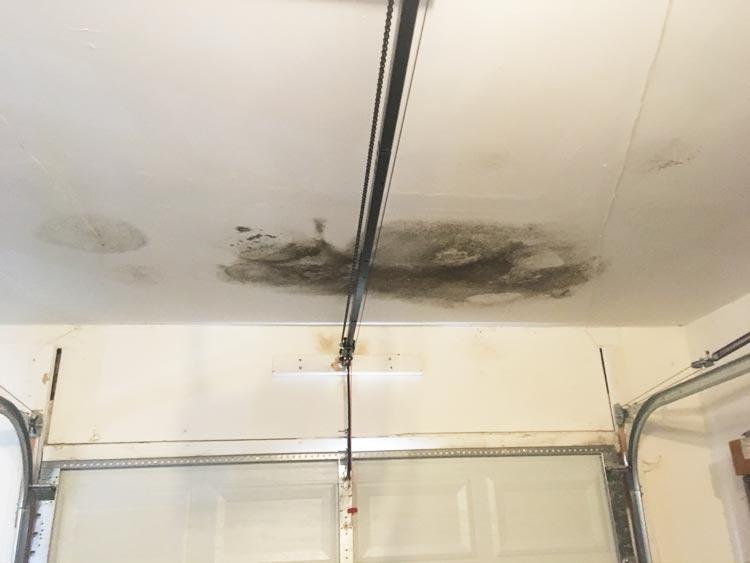
Mold is a group of fungi that thrive in damp, warm spots. They spread by releasing spores into the air. These spores can be breathed in or touch our skin. Mold is often noticed by a musty smell and visible spots that can be black, green, or white.
Common Types of Mold
There are several types of mold found in homes, including:
- Cladosporium: This mold is often seen on wood and carpet, growing in cooler spots.
- Penicillium: Found on wallpaper, insulation, and fabrics, it can spread fast.
- Aspergillus: Common in dust, this mold can cause respiratory problems when its spores are inhaled.
These molds can get into homes through vents, on pets, or on our clothes. They spread quickly in the right conditions.
What is Mold Poisoning?
Mold poisoning, or mold toxicity, happens when people breathe in mold spores for too long. This can lead to health problems. Symptoms include sneezing, coughing, and stuffy noses. In serious cases, it can cause respiratory infections or make asthma worse.
The health effects of mold exposure depend on several factors. These include how long you’re exposed, the amount of mold, and how sensitive you are.
Factors Influencing Mold Poisoning
The effects of mold exposure vary a lot. They depend on many things. How someone reacts to mold can change a lot based on their health and the environment.
Allergies and Sensitivities
Those allergic to mold can react badly even with a little exposure. Symptoms like sneezing and skin irritation can happen fast. People with asthma might see their symptoms get worse around mold.
Amount of Mold
How much mold there is matters a lot. A lot of mold spores can make symptoms come on faster. Places with a lot of mold need quick action to keep people safe.
Duration and Proximity of Exposure
How long you’re around mold and how close you are to it matters. Being around mold for a long time can lead to serious health problems. People near moldy places are more likely to get sick because they breathe in more spores.
How Long Do You Have to Be Exposed to Mold to Get Mold Poisoning?
Finding out how long do you have to be exposed to mold to get mold poisoning is tricky. It depends on many things like your health and the mold type. The environment you’re in also plays a big role.
Some people might feel sick after just a little bit of mold exposure. This is more likely if they already have allergies or sensitivities. Others might not show symptoms until they’ve been around mold for a long time.
If you’re around a lot of toxic mold and your immune system is weak, you could get sick fast. But if you’re in a place with good air and less mold, it might take longer to notice any problems. Knowing these things helps you understand the risks better and how to stay safe.
So, it’s important to deal with mold problems quickly. Regular checks and keeping the air inside your home clean are key. This helps avoid the dangers of toxic mold exposure time.
Conclusion
It’s important to know about mold and its health risks. Different molds, like black mold and aspergillus, can be more or less toxic. This affects how mold exposure impacts our health.
People with allergies, asthma, or weak immune systems are more at risk. It’s key to spot early signs and act fast.
The time it takes to show symptoms of mold poisoning varies. It depends on the mold amount, how sensitive you are, and how long you’re exposed. Lowering humidity and improving air flow can help a lot.
If you keep getting sick from mold, see a doctor. They can figure out what’s wrong and help you get better. Keeping your place free of mold is the best way to stay healthy.
Trust the Experts at Emergency Restoration Services in Virginia Beach
When disaster strikes—pipe bursts, fires, storms—Emergency Restoration Services delivers 24/7 rapid response, skilled cleanup, and reliable repairs. Don’t wait—contact us today!