Water damage can sneak up on a home, coming from leaks, plumbing issues, or natural disasters. It’s key to spot signs of permanent water damage to keep a home safe and healthy. Quick action on a water damage assessment can stop damage in its tracks and even reverse some effects.
Without fast and proper action, moisture can cause big problems. It can lead to rot, damage to materials, and mold growth. These issues can make fixing the damage much harder.
Water damage comes in different types, based on the water’s purity. From clean to gray to black water, each needs its own fix. After a water damage event, it’s important to stop the leak, remove all water, dry everything out, and document it for insurance.
Homeowners should keep their homes in good shape and know their insurance well. This way, they’re ready for any water damage that might happen.
Key Takeaways
- Early detection can help prevent water damage from becoming permanent.
- Immediate response is key in interpreting water damage indicators correctly.
- Different types of water contamination need different fixes.
- Keeping up with maintenance and controlling moisture is important to avoid water damage.
- Knowing your insurance well is key to recovering from water damage.
Table of Contents
Identifying Signs of Water Damage
Knowing the early signs of water damage is key for homeowners and property managers. These signs can be anything from visible stains to subtle odors or changes in flooring. Spotting these signs early can stop damage from getting worse, saving you from costly repairs or even structural failures. We’ll look at the different signs and how to assess water damage severity and determine permanent water damage.
Recognizing Early Warning Signs
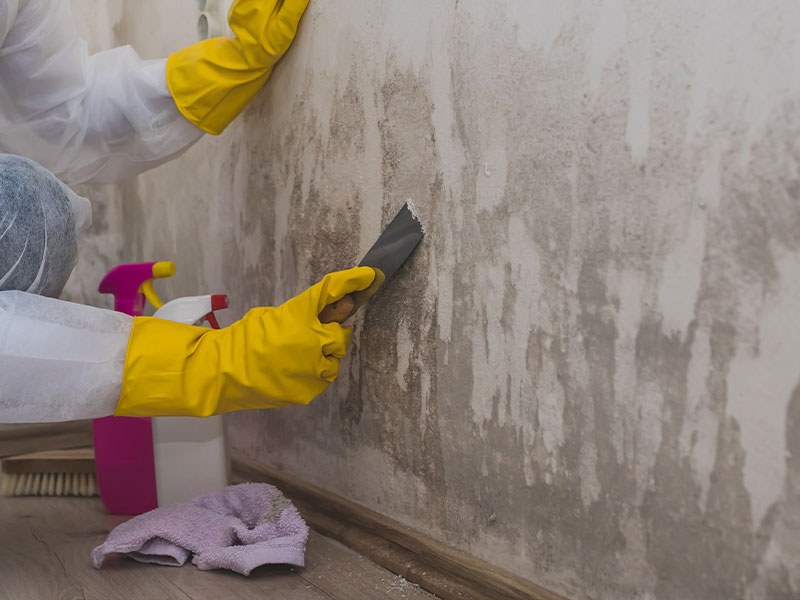
The first signs of water damage are often easy to spot. Look for damp smells, peeling paint or wallpaper, and discoloration on walls or ceilings. Also, check if your floors feel soft or warped. These signs can mean there’s a bigger problem if not fixed quickly, leading to permanent water damage.
Detecting Hidden Damage
Not all water damage is visible. Sometimes, the worst damage is hidden behind walls or under floors. Experts use tools like moisture meters and thermal cameras to find these hidden problems. Finding and fixing these issues early can greatly reduce the risk of long-term damage.
Assessing Water Damage Types and Their Implications
- Clean Water Damage: This comes from safe sources and isn’t harmful. But, it’s important to act fast to stop it from getting worse.
- Gray Water Damage: This water is slightly dirty and can make you sick if you touch it or drink it. It often comes from appliance leaks.
- Black Water Damage: This is the worst kind, full of harmful germs and bacteria. It comes from floods and sewage backups. You need a pro to fix it.
Knowing these types and assessing water damage severity is key to the right response. Each type needs a different cleanup and restoration plan. This shows why early detection and a pro’s evaluation are so important.
How to Tell if Water Damage Is Permanent
Figuring out if water damage is permanent requires a close look at the affected areas. Signs like warped floors and dampness often mean serious damage. Black mold, caused by too much moisture, is a bad sign too.
It’s important to act fast to stop damage from getting worse. This helps prevent further harm.
Evaluating Severity of Damage
Checking the damage’s severity involves looking for structural problems and other key signs. Inspectors look for these to see if repairs are possible. Signs like swollen wood and crumbling drywall show if damage is too deep.
Water damage that lasts a long time is hard to fix. This is why finding and fixing it early is so important.
The Role of Professional Inspection in Assessing Damage Permanence
Getting a professional to inspect water damage is key. They use special tools to find hidden problems. This includes checking moisture levels and looking for mold.
These detailed checks help create a plan to fix the damage. They also help with insurance claims by showing the damage and how to fix it.
Knowing the difference between fixable and permanent damage helps make choices. Whether to repair or replace depends on the damage’s extent. Professional assessments guide the best ways to fix water damage.
Conclusion
Understanding water damage’s impact is key to protecting a property. Knowing the signs and acting fast is essential. Issues like warped floors, stained walls, or mold need quick action to avoid lasting damage.
Water damage repair and water damage restoration are important for a home’s safety and value. Regular checks and a proactive approach help prevent damage. But, when damage is severe, professional help is needed.
Homeowners must be quick to spot and address water damage. Early action can prevent major repairs. Knowing the signs and seeking expert help when needed is critical. This way, a property can stay safe from water damage.
Trust the Experts at Emergency Restoration Services in Virginia Beach
When disaster strikes—pipe bursts, fires, storms—Emergency Restoration Services delivers 24/7 rapid response, skilled cleanup, and reliable repairs. Don’t wait—contact us today!