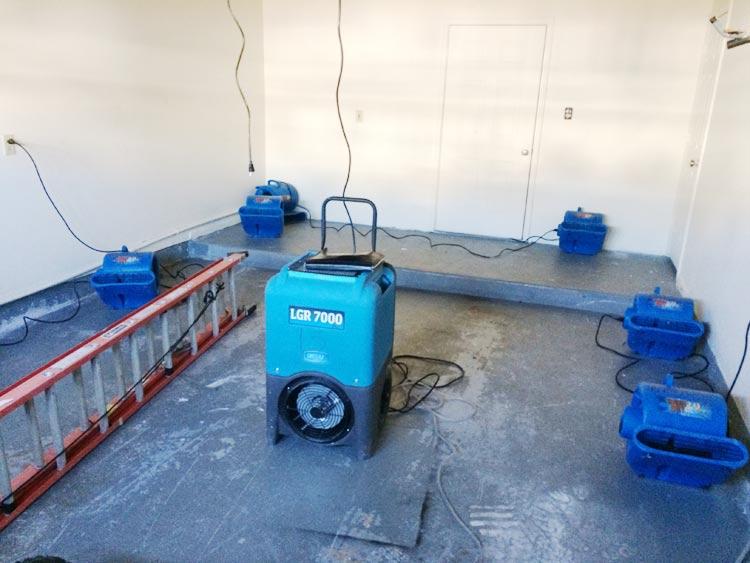
Getting rid of standing water is an important aspect of cleaning up a building or area. There are many different ways to remove water from a building. The first step is to remove all porous and semi-porous materials from the building. This is necessary to prevent polluted runoff from entering the building.
Table of Contents
Getting rid of standing water
Getting rid of standing water is important for the health and safety of your family. Standing water can be a breeding ground for insects, bacteria, and parasites. It can also create smells and discolor your grass.
There are several ways to remove standing water from your yard. Some of these include physical removal, aeration, and drainage systems. The solution you choose will depend on the specific standing water problem you are dealing with.
The simplest way to remove standing water from your yard is to clean it up. You can use a rag or towels to wipe off any excess water. It is also a good idea to dump it out and put it in an outside drain.
A better option would be to install a French drain. A French drain is a trench that runs across the yard and directs water to a dry well or other area. It is cheap, relatively easy to install, and can be a big help in getting rid of standing water.
Removing porous and semi-porous materials
Unlike nonporous materials, porous materials are able to hold and absorb liquid molecules. In addition, they can also interact with atoms and molecule. Porous materials are often used in modern industries. However, they should be disposed of properly.
There are several types of porous and semi-porous materials. The main types include organic and inorganic materials. These materials are used for a variety of purposes. Some examples of porous and semi-porous hard surfaces include laminate, granite, and some plastic materials.
These materials are also used for filtering drinking water. They can be classified into three groups: semi-porous, porous, and highly porous. The amount of sewage a material is capable of absorbing depends on its porosity.
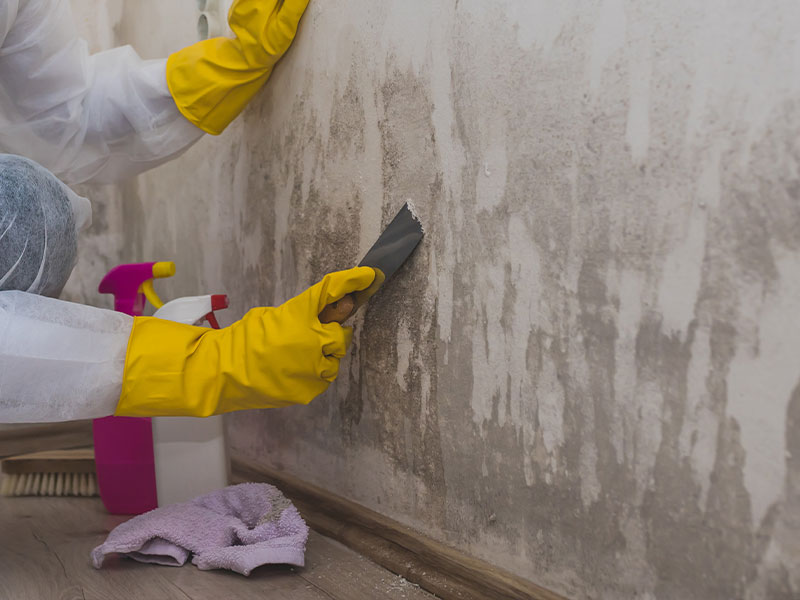
Porous and semi-porous materials should be disposed of if they are saturated. If they have become contaminated with mold, the surface should be cleaned to remove the mold. Often, the materials are salvageable. If the mold is a fungus, however, it is necessary to dispose of it.
Remediating contaminated areas
During water clean up, remediation is an important process. It includes removing contaminated materials from a polluted site and redeveloping the site to a safe, clean environment.
Remediation is often a joint effort between government agencies and nonprofit organizations. Remediation can be biological, chemical, or a combination of the two. It involves identifying the source of the contamination, determining a remedial measure, and implementing the measure.
Remediation often involves excavation and removal of contaminated soil and media. This may be done on site or shipped offsite for treatment. Remediation can also include on-site disposal of contaminated soil and media. This process can yield significant savings and help to avoid offsite disposal.
Site-remediation reduces the negative impact of a polluted site on humans, building structures and the environment. This process also provides healthy habitats for people and wildlife.
The United States Environmental Protection Agency’s Office of Response and Restoration advises agencies on effective methods for cleaning up contaminated sites. Joe Inslee, policy analyst for the NOAA Assessment and Restoration Division, says that successful remediation requires “scientific work, engineering work, and an understanding of the underlying principles.” He also says, “Remediation should be a continuous process.”
Currently, there are thousands of heavily contaminated sites across the United States. Over 1,300 sites are on the Environmental Protection Agency’s National Priority List.
Preventing polluted runoff
Whether you live in a rural or urban area, you should be aware of polluted runoff in water. It can be harmful to plants, wildlife, and drinking water. It can cause algae blooms that kill fish and reduce oxygen in water.
Stormwater runoff can contain pollutants from a variety of sources. They include: pesticides, fertilizers, heavy metals, pet waste, and oil. These pollutants can erode the soil and pollute water sources.
Polluted runoff is a significant problem in urban areas. The USEPA has identified half of impaired waterways as being affected by urban runoff.
The best way to control pollution is to prevent it from entering water sources. If you own a home, you can install rain gardens or green roofs to filter pollutants. You can also direct home downspouts to grass instead of the street.
You can also use native plants along waterways to act as a buffer. You can also install swales to slow the flow of runoff.
If you need water clean up or water extraction in the Virginia Beach Virginia area contact Emergency Restoration Services LLC.