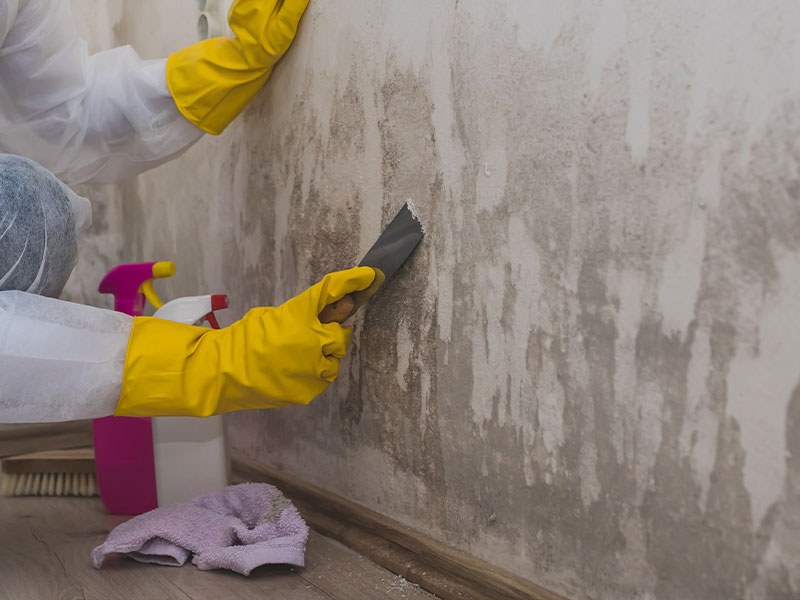
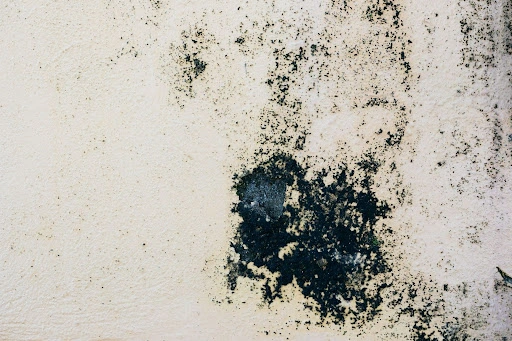
Summary
Summer brings warmer temperatures, heavy rain, and higher humidity. It can also create ideal conditions for mold to develop inside homes.
You may notice a musty odor when your air conditioner turns on, dark spots near a window, or discoloration across attic roof sheathing. In other cases, mold remains hidden behind drywall, beneath flooring, or inside insulation after a leak.
Finding dark-colored growth can be alarming, but mold color alone does not reveal the species or the seriousness of the problem. The more important questions are how much moisture is present, how large the affected area is, and whether contaminated materials can be safely cleaned.
Professional mold remediation services may be necessary when mold covers a large area, returns after cleaning, develops after significant water damage, or affects porous materials such as drywall, carpeting, and insulation.
This guide explains why mold is common during summer, which warning signs homeowners should watch for, and when to schedule professional remediation.
Table of Contents
Why Does Black Mold Appear During Summer?
Mold can grow when moisture, organic material, and suitable temperatures are present. Summer weather often provides all three.
High outdoor humidity can enter a home through open doors, windows, crawl spaces, and gaps in the building envelope. Inside the property, cold air-conditioning ducts, vents, and pipes can develop condensation when they come into contact with warm, humid air.
Summer thunderstorms may also expose roof leaks or drainage problems that were not noticeable during drier months.
Common causes of summer mold include:
- Roof leaks after heavy rain
- Clogged air-conditioning drain lines
- Overflowing HVAC drain pans
- Condensation around ducts and vents
- Plumbing leaks behind walls
- Poor bathroom ventilation
- Damp crawl spaces or basements
- Water entering around windows or doors
- Elevated indoor humidity
- Wet building materials after flooding
The Environmental Protection Agency recommends drying wet materials within approximately 24 to 48 hours to help prevent mold growth. Materials that remain wet longer may become difficult to clean and could require removal.
Quick Fact
Air fresheners, candles, and household sprays may temporarily cover a musty smell, but they do not address the moisture or contaminated materials causing the odor.
Does Black-Colored Mold Always Mean Toxic Mold?
No. Mold can appear black, green, brown, gray, white, or orange.
The term “black mold” is commonly used to describe Stachybotrys chartarum, but several other mold species can also appear dark. It is usually not possible to identify a mold species based only on its color or appearance.
The Centers for Disease Control and Prevention explains that all visible indoor mold should be addressed, regardless of its color or type. In most situations, identifying the exact species is less important than correcting the moisture source and safely removing the contamination.
Effective black mold removal should therefore focus on:
- Finding the source of moisture
- Stopping active water intrusion
- Determining the extent of contamination
- Isolating the affected area
- Removing materials that cannot be cleaned
- Cleaning salvageable surfaces
- Drying the structure thoroughly
- Correcting conditions that could allow mold to return
Simply spraying or painting over dark growth does not solve the underlying problem.
Signs You Need Mold Remediation
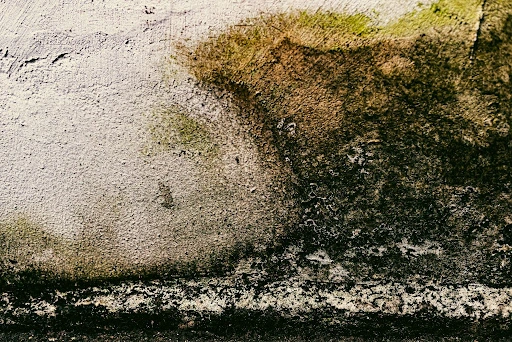
Common signs you may need mold remediation include persistent musty odors, visible mold growth, recurring water stains, peeling paint, and increased allergy-like symptoms indoors. Because mold often grows behind walls or beneath flooring, professional inspection and remediation can help identify the source, remove contamination safely, and protect your property’s indoor air quality.
The following are common signs you need mold remediation.
Persistent Musty Odors
A musty or earthy odor may indicate hidden mold, even when no growth is visible.
The smell may become stronger near:
- Baseboards
- Cabinets
- Closets
- Air vents
- Attic access points
- Bathrooms
- Areas affected by previous leaks
Visible Growth That Continues to Spread
Mold may appear as spots, streaks, fuzzy patches, or dark staining. Growth that spreads across drywall, wood, flooring, or ceiling materials should be investigated promptly. Painting over the area may temporarily hide the discoloration, but mold can continue growing underneath the coating.
Peeling Paint or Damaged Drywall
Bubbling paint, soft drywall, warped trim, crumbling materials, and ceiling stains often indicate water intrusion. These conditions do not always confirm mold, but they suggest that the area should be inspected for moisture and hidden damage.
Mold That Returns After Cleaning
Recurring mold usually means the source of moisture has not been corrected.
Possible causes include:
- A slow plumbing leak
- Roof damage
- Condensation
- Poor ventilation
- High indoor humidity
- Water entering through the foundation
- An improperly vented bathroom fan
Growth in Several Rooms
Mold appearing in multiple rooms may indicate a broader humidity, ventilation, or water-intrusion problem. A professional assessment can help determine whether the areas are connected or caused by separate moisture sources.
When Should You Schedule Professional Remediation?
Schedule professional mold remediation when you notice visible mold, persistent musty odors, recurring moisture problems, or symptoms that worsen indoors. Prompt action can help stop mold from spreading, address the underlying moisture source, and restore healthier indoor air quality.
The appropriate response depends on the size, location, material, and source of the mold.
Visible Mold Growth
Schedule professional remediation when mold appears on walls, ceilings, floors, or other surfaces, especially if it continues to spread.
Persistent Musty Odors
A strong, musty smell may indicate hidden mold behind walls, beneath flooring, or inside HVAC systems.
Recent Water Damage
Professional help may be needed after flooding, plumbing leaks, roof damage, or other moisture problems that were not dried quickly.
Recurring Mold Problems
If mold returns after cleaning, an unresolved moisture source may require professional inspection and treatment.
Worsening Indoor Symptoms
Consider remediation when occupants experience persistent coughing, sneezing, eye irritation, or allergy-like symptoms that improve outside the property.
Large or Hidden Contamination
Extensive mold growth or contamination in difficult-to-reach areas should be handled by trained professionals using proper containment and removal methods.
| Situation | Recommended Action |
| Active flooding or standing water | Request immediate water mitigation |
| Wet materials that cannot be dried within 24–48 hours | Arrange an inspection promptly |
| Mold covering more than approximately 10 square feet | Contact a professional mold removal company |
| Mold inside walls, ceilings, attics, or crawl spaces | Schedule a professional assessment |
| Mold affecting drywall, insulation, or carpeting | Have the materials professionally evaluated |
| Musty odor with no visible source | Investigate for hidden moisture |
| Mold returning after repeated cleaning | Correct the underlying moisture problem |
| Small patch on a washable hard surface | Careful homeowner cleaning may be appropriate |
The EPA generally considers areas smaller than approximately 10 square feet manageable for some homeowners. However, this is only a general guideline.
Professional help may still be appropriate for a smaller area when mold is:
- Caused by contaminated water
- Located inside an HVAC system
- Affecting someone with respiratory concerns
- Hidden behind building materials
- Difficult to access safely
- Growing on absorbent materials
- Connected to an active leak
Black Mold After Water Damage
Mold growth after a leak or flood can develop quickly, particularly during humid summer weather.
Visible black mold after water damage may only be part of the problem. Water can travel beneath flooring, behind drywall, under cabinets, or through ceiling cavities before becoming noticeable.
Materials that may hide moisture include:
- Drywall
- Insulation
- Carpet padding
- Subflooring
- Wood framing
- Ceiling tiles
- Cabinets
- Wallpaper
- Upholstered materials
When water damage occurs, the first priority is stopping the water source. The affected area should then be inspected and dried as soon as possible.
When Emergency Mold Remediation May Be Needed
Emergency mold remediation may be appropriate when:
- Water is actively entering the property
- Flooding has affected several rooms
- Sewage or contaminated water is involved
- Wet materials cannot be safely accessed
- Mold is spreading rapidly
- Ceilings or walls appear structurally unstable
- Vulnerable occupants cannot avoid the affected area
Emergency response may begin with water extraction and structural drying before the full extent of mold growth can be determined.
Can You Clean Summer Mold Yourself?
A small amount of surface mold on a washable, nonporous material may sometimes be cleaned by a homeowner after the moisture source has been corrected.
Examples may include a small patch on:
- Tile
- Glass
- Metal
- Some sealed surfaces
However, mold removal and remediation services are generally more appropriate when mold affects porous or absorbent materials.
These materials may need to be removed rather than surface-cleaned:
- Drywall
- Insulation
- Carpet padding
- Ceiling tiles
- Upholstered materials
- Unfinished wood with extensive growth
Professional assistance is also recommended when the contamination is widespread, hidden, recurring, or difficult to access.
Mold Cleaning Safety
Do not mix bleach with ammonia, acids, or other household cleaning products. Mixing chemicals can create dangerous gases. People with asthma, chronic lung conditions, allergies, or weakened immune systems should avoid mold cleanup areas and discuss health concerns with a medical professional.
What Happens During Professional Mold Remediation?
Professional mold remediation typically begins with an inspection to identify affected areas and the source of moisture. Trained technicians then contain the space, remove contaminated materials, clean and treat impacted surfaces, and take steps to help prevent the mold from returning.
A qualified mold removal company should address both the contamination and the condition that allowed it to develop.
1. Inspection and Moisture Assessment
The process usually begins with an evaluation of the affected area.
Technicians may use:
- Moisture meters
- Infrared imaging
- Visual inspection
- Humidity measurements
- Controlled removal of damaged materials
The goal is to identify active moisture and estimate how far the damage may have spread.
2. Moisture-Source Correction
The water or humidity problem must be addressed before remediation can be successful.
This may involve correcting:
- Plumbing leaks
- Roof damage
- Drainage problems
- HVAC condensation
- Bathroom ventilation
- Crawl-space moisture
- Window or siding leaks
3. Containment
Containment barriers may be installed to separate the work area from the rest of the property. Negative-air equipment and HEPA filtration may also be used to control airborne dust and prevent contaminated material from spreading.
4. Material Removal and Surface Cleaning
Damaged porous materials may be carefully removed and disposed of. Salvageable framing, masonry, and other surfaces can then be cleaned using methods appropriate for the material and level of contamination.
5. Structural Drying
Dehumidifiers, air movers, and moisture-monitoring equipment may be used to dry the affected area. Drying must be verified before reconstruction begins. Rebuilding over damp materials could allow mold to return.
6. Final Cleaning and Restoration
After remediation, the area is cleaned and prepared for repairs.
Depending on the damage, restoration may include replacing:
- Drywall
- Insulation
- Flooring
- Trim
- Cabinets
- Paint
- Other interior finishes
Summer Attic Mold and When Removal Is Necessary
Attics are especially vulnerable to hidden moisture because homeowners may not enter them regularly.
Summer attic mold may result from:
- Roof leaks
- High humidity
- Blocked soffit vents
- Inadequate ridge ventilation
- Bathroom fans venting into the attic
- Air leaks from the living area
- Wet insulation
- Condensation around ductwork
Common attic warning signs include dark roof sheathing, damp insulation, rusted nails, water staining, and musty odors on the upper floor. Effective mold in attic removal requires identifying why the attic became damp. Cleaning visible growth without correcting the roof, ventilation, or condensation problem can allow it to return.
For more information, read ERS’s related article: How Do I Get Rid of Mold in My Attic?
How Can You Reduce Summer Mold Risk?
Homeowners cannot remove all mold spores from indoor air, but they can reduce the moisture that allows mold to grow.
Control Indoor Humidity
The EPA recommends keeping indoor humidity below 60% and ideally between approximately 30% and 50%. Use a humidity monitor to check areas that often become damp, including basements, bathrooms, crawl spaces, and upper floors.
Maintain the Air-Conditioning System
Check drain lines, pans, filters, and visible ductwork regularly. A clogged drain can release water into walls, ceilings, or flooring.
Use Bathroom and Kitchen Exhaust Fans
Exhaust fans should move moist air outdoors rather than into an attic, wall cavity, or crawl space.
Inspect the Home After Storms
Look for roof leaks, window intrusion, standing water, and new ceiling stains after severe summer weather.
Address Leaks Promptly
Even a slow leak can keep drywall, wood, or insulation wet enough to support mold growth.
Key Takeaways
- Summer humidity, storms, leaks, and air-conditioning condensation can increase indoor mold risk.
- Mold color alone cannot identify the species or determine the seriousness of the problem.
- Wet materials should generally be dried within 24 to 48 hours.
- Recurring mold usually indicates an unresolved moisture source.
- Mold on porous materials may require removal rather than surface cleaning.
- Hidden, widespread, or difficult-to-access contamination should be professionally assessed.
- Effective remediation includes moisture correction, containment, cleaning or removal, drying, and restoration.
Conclusion
Finding black-colored mold during summer can be stressful, but the issue should be approached as a moisture problem rather than a color problem.
A small patch on a washable surface may sometimes be cleaned safely after the water source is corrected. However, widespread growth, recurring odors, wet porous materials, attic contamination, and mold following substantial water damage may require professional remediation.
Acting promptly can limit the area affected and reduce the likelihood of additional damage. The most important step is not simply removing visible mold. It is identifying why the area became wet and correcting that condition before repairs are completed.
Schedule Professional Mold Remediation Services
Do not cover visible growth or rebuild over damp materials before the moisture source and extent of damage are understood.
Homeowners in Virginia Beach, Norfolk, Chesapeake, and nearby Hampton Roads communities can learn more about professional mold remediation services and call us to request an assessment when mold is recurring, widespread, hidden, or connected to significant water damage.
Frequently Asked Questions
1. Should I have mold testing completed before remediation?
Testing is not always necessary when visible mold and a known moisture source are already present. Testing may be considered when the source is unclear, documentation is required, or an independent professional recommends sampling based on the property’s circumstances.
2. Can mold-contaminated furniture be saved?
Some hard-surface furniture may be cleaned, while upholstered or highly absorbent items can be more difficult to restore. The decision depends on the material, extent of contamination, value of the item, and whether it can be cleaned and dried safely.
3. Will homeowners insurance cover mold remediation?
Coverage depends on the policy and the cause of the water damage. Mold resulting from a sudden covered event may be treated differently from mold caused by long-term leakage, poor maintenance, or ongoing humidity. Homeowners should document the damage and contact their insurer.
4. Should I leave my air conditioner running if mold is found?
The answer depends on the mold’s location and whether the HVAC system may be affected. Turning the system on could circulate contaminated dust if mold is located near ducts or equipment. A professional can advise whether the system should remain off during evaluation.
5. Can mold return after professional remediation?
Mold can return when moisture problems develop again. Remediation removes affected materials and cleans the area, but homeowners must continue maintaining proper humidity, ventilation, drainage, plumbing, roofing, and HVAC systems.