Hidden smoke damage can be hard to spot, even after small fires in homes or businesses. It starts off invisible but can harm health, building strength, and safety over time. It’s key to know the signs of hidden smoke damage to avoid bigger problems.
Many things can cause hidden smoke damage. It can get into walls, ceilings, carpets, and even HVAC systems, spreading harmful effects. Spotting hidden smoke damage early is vital to keep people safe and buildings sound. This article will help you understand the signs of hidden smoke damage to act fast.
Key Takeaways
- Hidden smoke damage is often invisible in the initial stages after minor fire incidents.
- Health risks, structural integrity, and persistent odors are primary concerns related to hidden smoke damage.
- Smoke can penetrate deep into walls, ceilings, carpets, and HVAC systems.
- Early detection is critical to prevent further damage and ensure safety.
- Knowing the signs of hidden smoke damage can protect your property and health.
Table of Contents
What are signs of hidden smoke damage
It’s important to spot smoke damage to keep our homes safe and healthy, after a fire. Even if we can’t see smoke anymore, some signs might stay. These signs show that damage could be hidden.
Persistent Odors
Persistent odors are a big sign of hidden smoke damage. These smells can be like ash or chemicals. They show that something has burned or synthetic materials are present.
These smells stick around, more so in places that are closed off or through air systems. Spotting these odors is key to finding hidden smoke damage.
Physical Residue
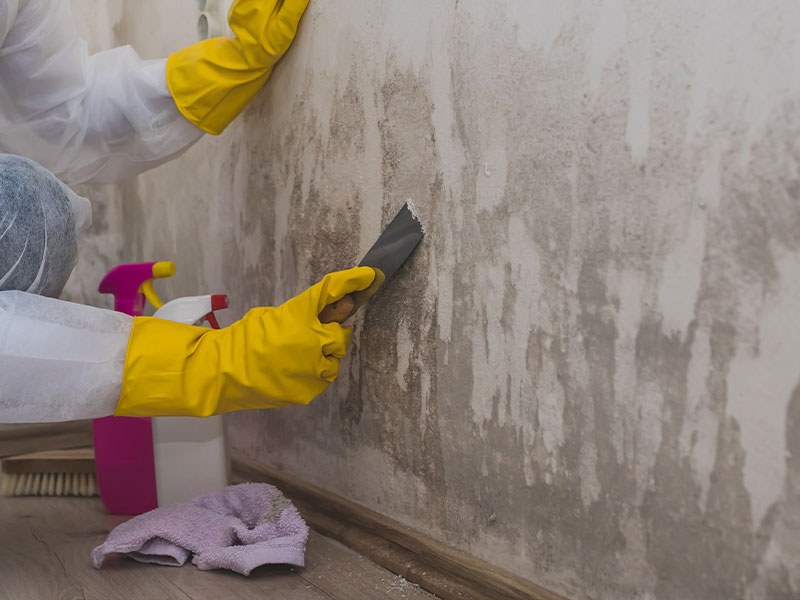
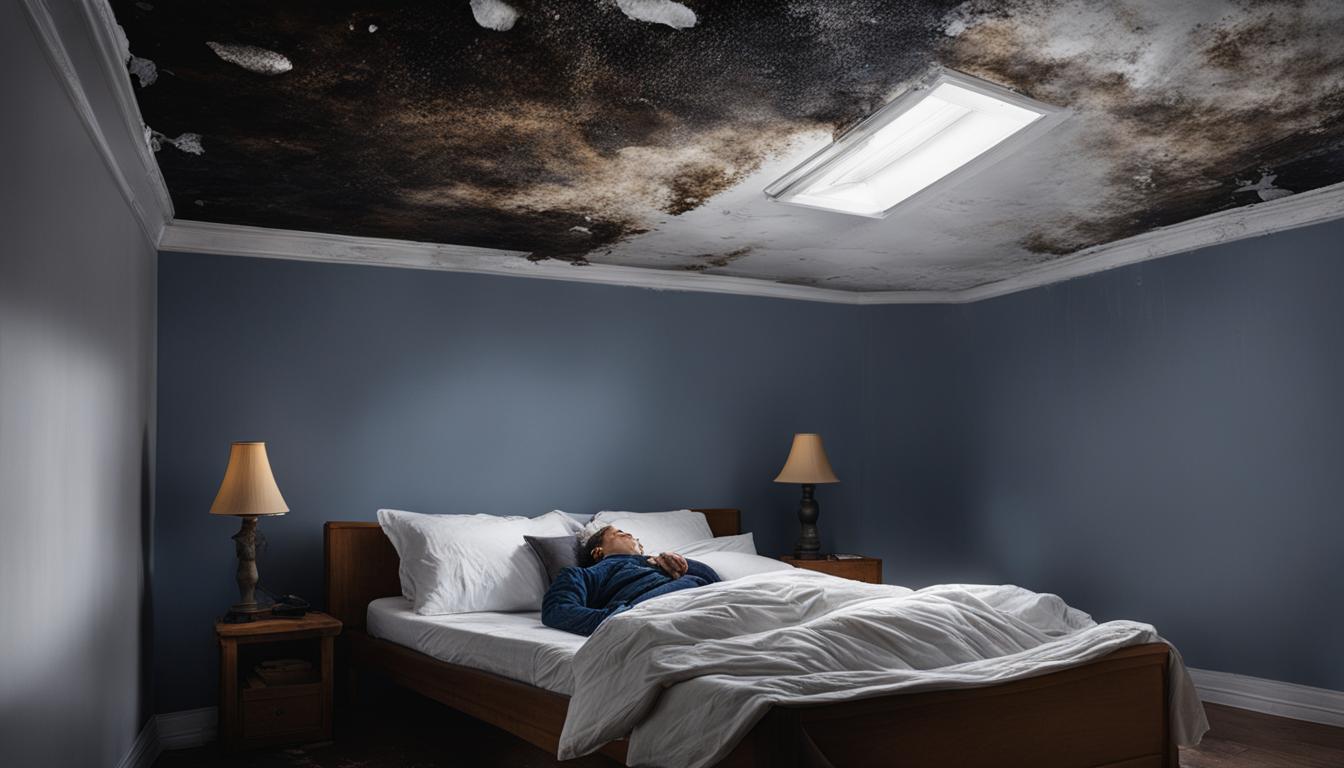
Physical residue is another important sign. Look for yellow or brown stains on ceilings and walls. These might be from smoke and heat.
Other signs include peeling paint, bubbling surfaces, and black marks or streaks. There might also be a greasy or sticky layer left after cleaning. These signs help us find smoke damage that’s not easy to see.
Smoke Damage in HVAC Systems
Smoke damage can sneak into HVAC systems, making it hard to detect. It can travel through air ducts, spreading particles everywhere. Finding smoke damage in HVAC systems is key to keeping your indoor air clean and safe.
Signs in HVAC Systems
Look out for these signs to spot smoke damage in HVAC systems:
- Unusual Odors: A smoky smell when the HVAC is on might mean smoke damage.
- Rapid Clogging of Filters: If filters get clogged fast, they might be catching smoke.
- Visible Darkening of Filters: Dark or sooty filters could mean smoke particles are trapped.
- Soot or Dust Accumulation: Unusual soot or dust in air vents could mean smoke is circulating.
Spotting these signs early is important for finding and fixing smoke damage in HVAC systems. Regular checks and upkeep of your HVAC system help keep your air clean and healthy.
Conclusion
It’s vital to spot and fix hidden smoke damage to keep properties safe and healthy. Signs like strong odors and visible residues show smoke has gone deep into materials. This means a detailed check is needed to find and fix the damage properly.
Don’t forget about HVAC systems, as they can hide smoke damage. This can spread pollutants everywhere, making the air inside unhealthy. Getting help from experts for smoke damage restoration is key. They make sure every part, including tricky systems like HVAC, gets checked and fixed right.
In short, a detailed plan for smoke damage assessment helps fix the property and keeps people safe. Taking on smoke damage seriously means fixing it right. This ensures a safe and worry-free place for everyone.
Trust the Experts at Emergency Restoration Services in Virginia Beach
When disaster strikes—pipe bursts, fires, storms—Emergency Restoration Services delivers 24/7 rapid response, skilled cleanup, and reliable repairs. Don’t wait—contact us today!