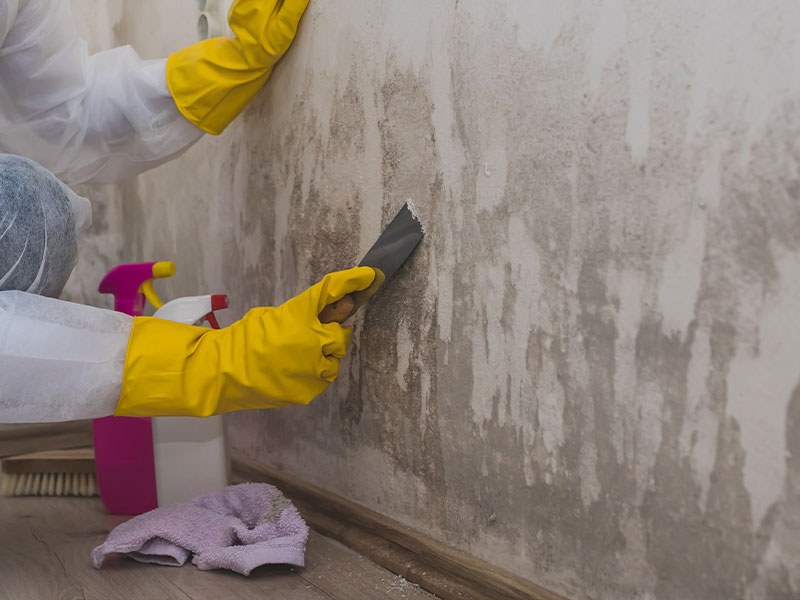
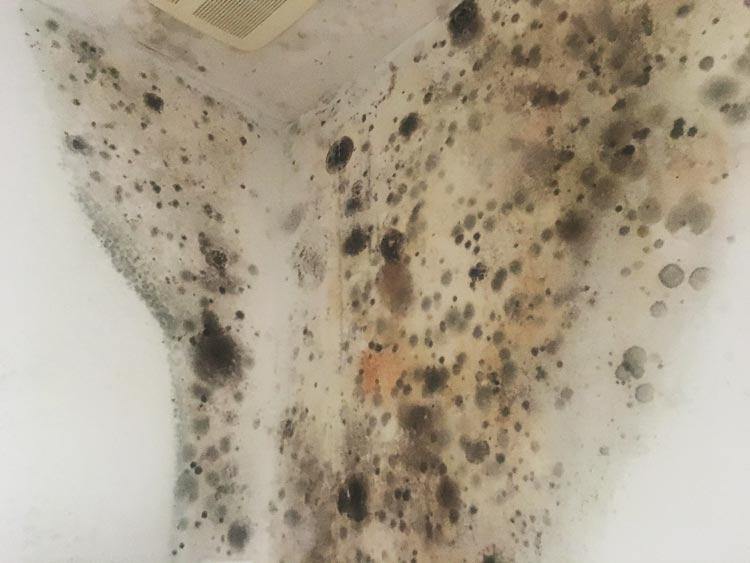
Homeowners often find themselves confused about mold. Many things can look and smell like mold but aren’t. It’s important to know what these look-alikes are to avoid health risks.
Things like forgotten laundry, old stains, and dust can be mistaken for mold. Knowing the difference is key to keeping your home safe and healthy.
Key Takeaways
- Mold confusion is common among homeowners.
- Recognizing what can be mistaken as mold prevents unnecessary panic.
- Mold doppelganger substances can include dirt, dust, and old water damage.
- The musty smell associated with mold can originate from various sources.
- Accurate identification is critical for health and home integrity.
Mold Lookalikes in Your Home
Homeowners often get confused about mold lookalikes. Mildew, dust, dirt, stains, and watermarks are often mistaken for mold. This can cause unnecessary worry and treatments. Knowing the difference can save time, money, and stress.
Mildew is a common imposter. It looks powdery and stays on surfaces, unlike mold. Cleaning mildew is easy, and it’s less harmful than mold.
Dust and dirt can look like mold, too. They build up in damp places. But, they don’t invade surfaces like mold does. Regular cleaning can fix this.
Stains and watermarks are usually from old leaks or spills. They can look like mold but are not as dangerous. They don’t need a big treatment like mold does.
Biological and Environmental Mold Doppelgangers
Mold is a common problem in many homes. But, there are other organisms that look like mold. Algae and lichen are two examples that often cause confusion.
Algae grows in moist places like walls or damp areas. It looks like green or brown spots that can be mistaken for mold. The slimy texture of algae makes it look like mold on patios, roofs, or sidings.
Lichen looks different from mold. It forms crusty or leafy patches on rocks, soil, and trees. Even though it has a fungal part, lichen is not like mold. It mainly lives outside and comes in many colors, like grey, green, yellow, and orange.
Unlike mold, algae and lichen don’t usually harm indoor air quality or health. They mostly live outside and don’t invade homes. This makes them less of a worry for indoor health.
It’s important for homeowners to know the difference between mold and its look-alikes like algae and lichen. Knowing how to tell them apart helps take the right steps to deal with these growths.
Mold Misconceptions and Misidentifications
Mold misconceptions are common, causing unnecessary worries and mistakes. For example, what looks like mold might actually be paint or wallpaper damage. When paint peels or wallpaper bubbles, it’s easy to think it’s mold. But, these signs usually mean the materials are just getting old or there’s moisture.
In the kitchen, foods and spices can look or smell like mold. But, aged cheese with blue veins or dry spices with a strong smell are normal. They’re not mold. So, not every fuzzy texture or strong smell in your kitchen means mold.
It’s important to know the difference between these issues and mold. By understanding what’s really going on, you can take better care of your home. This way, you avoid unnecessary stress and fix problems correctly.
Conclusion
Knowing what looks like mold but isn’t is key to avoiding panic and wrong treatments at home. Many people mistake mildew, dust, and other growths for mold. This leads to taking the wrong steps. So, it’s important to know how to tell real mold from its lookalikes.
Spotting mold at home needs a sharp eye and knowledge of the differences. Mildew looks like a fungus that grows in damp places and can be wiped off. Dust might seem like mold but doesn’t have the same health risks. Some growths might look scary but don’t need the same treatment as real mold.
Being aware of what might look like mold helps in identifying it correctly. This ensures that only when real mold is found, action is taken. This protects your home and health by focusing on the right solutions. By knowing the difference, families can keep their homes safe and healthy without worry or extra cost.
Trust the Experts at Emergency Restoration Services in Virginia Beach
When disaster strikes—pipe bursts, fires, storms—Emergency Restoration Services delivers 24/7 rapid response, skilled cleanup, and reliable repairs. Don’t wait—contact us today!