What if the dark streak on your grout isn’t “just mildew,” but a warning sign you can spot in seconds?
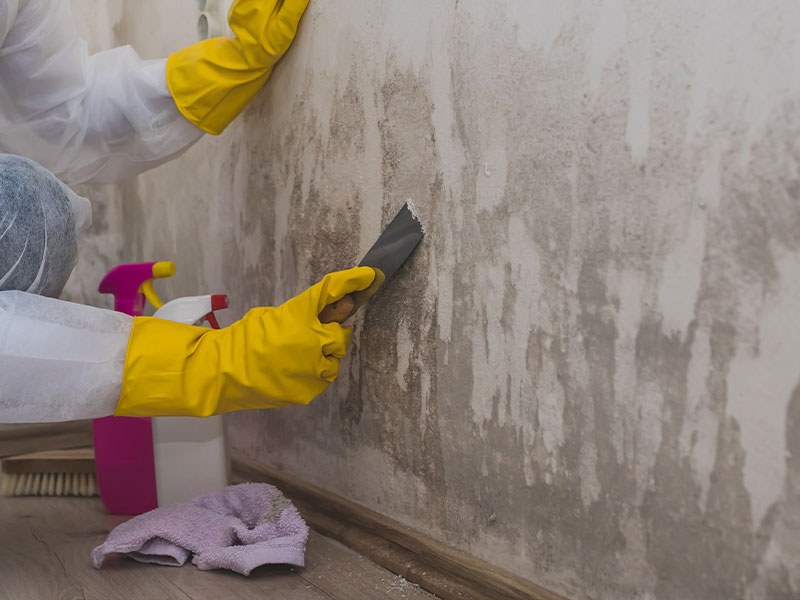
Many homeowners wonder: What does toxic mold look like in a Virginia Beach bathroom? Stachybotrys chartarum can show up as slimy patches. These patches are dark green, greenish-black, or nearly jet black. When it dries, it turns into a dull, powdery film.
This mold often grows in shower corners, grout lines, under tiles, and on drywall where moisture stays.
Other molds like Aspergillus, Cladosporium, and Penicillium can have blue, green, or yellowish colors. A musty, earthy smell can also hint at mold growth, even if walls or ceilings look clean. Look for mold in tile joints, window frames, and under sinks, after steamy showers or slow leaks.
Bathrooms are damp and poorly ventilated, making them perfect for mold growth. Colonies can start within 24–48 hours on drywall, paper, and wood. By the end of the week, small black dots can spread into larger stains.
Identifying dangerous mold in Virginia Beach bathrooms doesn’t always need lab tests. The Centers for Disease Control and Prevention suggests cleaning any visible mold and fixing moisture issues right away. If mold growth is widespread or slimy and dark, it’s best to call a professional.
Key Takeaways
- Dark green to nearly black, slimy patches can indicate Stachybotrys chartarum.
- Blue, green, or yellowish hues may point to Aspergillus, Cladosporium, or Penicillium.
- A musty, earthy odor often appears before mold is visible, specially in tight spaces.
- Growth can begin within 24–48 hours on damp drywall, paper, wood, or fabric.
- Check grout, shower corners, ceilings, window frames, and under sinks for early signs.
- Clean visible mold and fix moisture fast; call a Virginia Beach mold remediation professional if the spread is extensive or slimy and dark.
Table of Contents
What does toxic mold look like in my Virginia Beach bathroom?
In bathrooms, toxic black mold can appear very dark green to jet black. It has a slick, slimy look when it’s wet. When it dries, it turns into a dull, powdery crust.
Penicillium might look blue, green, or yellow. Aspergillus and Cladosporium usually show up as brown to dark green. These signs of mold are most noticeable where steam lingers.
Growth often starts as small, black dots that grow into irregular blotches. These spots appear on grout, caulk lines, and painted drywall. Homeowners often find mold in a Virginia Beach bathroom tiles near showers, tubs, and toilet bases.
Clumps can spread from hairline cracks and pinholes in sealant. Risk increases on materials like drywall paper, wallpaper, and wood trim. These materials, when damp, show deeper colors and thicker textures.
A musty, earthy smell is a sign of hidden mold. This smell is like wet socks or damp wood. It suggests mold is growing behind walls or under flooring, even if surfaces look clean.
- Moisture markers: yellow or brown stains, peeling or bubbling paint, and bulging patches near showers and vanities.
- Early timeline: tiny dark specks can appear within days of a leak or high humidity and expand quickly in warm, stagnant air.
- Surface test: mildew wipes away as a thin film, but established colonies look hairy or slimy and resist light cleaning.
Color alone can be misleading. Look for context clues like recent water damage, humidity spikes, or a musty smell. When spotting mold in bathroom tiles and grout, check if patches are clustered, spreading, and embedded in porous areas.
Visual signs and conditions that help in toxic mold identification in Virginia Beach
Bathrooms are perfect for mold growth because of warm air and steam. At temperatures around 70°F with high humidity, mold spores can settle easily. After showers or baths, poor airflow and closed doors trap moisture, feeding mold colonies.
Moisture is a big risk factor. Water damage, slow drips, shower overspray, and window condensation all contribute. Flooding or clogged gutters can also wet bathroom walls. High humidity, above 30–50%, makes mold detection more likely.
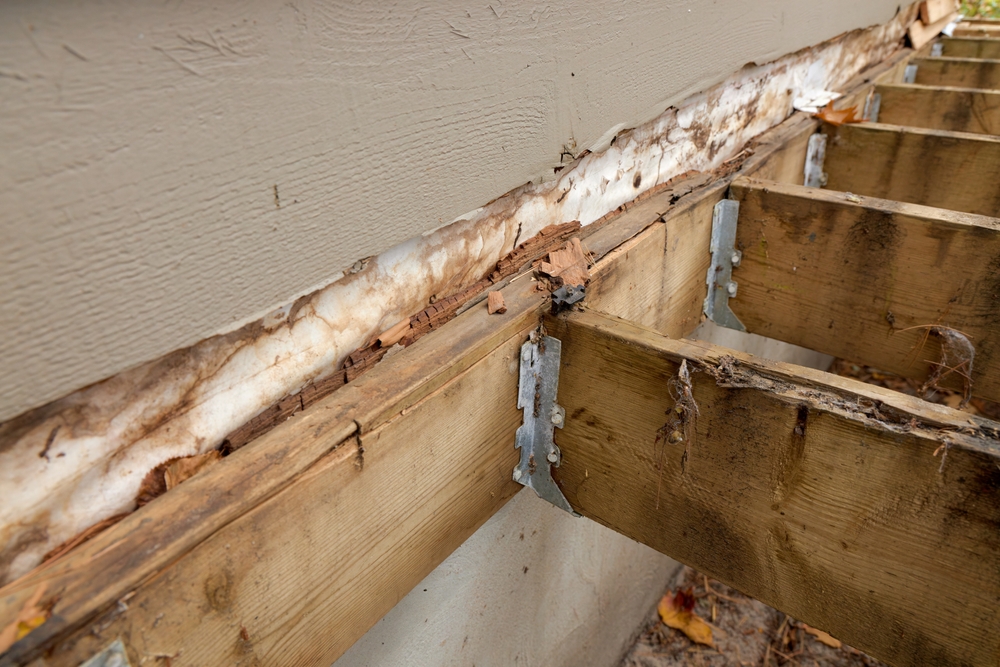
Early signs of mold are important. Yellow water stains can turn black or green-black. Paint peeling, caulk cracking, and soft drywall are also warning signs. These changes suggest damp areas where mold might be growing.
Materials like drywall, wallpaper, wood trim, and insulation near bathrooms are at risk. Keeping these materials damp makes mold detection a regular task after showers and spills.
- Timeline cues: spores on wet cellulose can start in 1–2 days, form visible dots in 3–7 days, and spread within 1–3 weeks if conditions persist.
- Spread factors: activities in the room can aerosolize spores. HVAC, open windows, or simple movement redistribute them to damp corners and adjacent rooms.
- Progression pattern: light mildew on grout and tile corners can harden into entrenched colonies when cleaning lapses and water stagnates.
- Prevention cues: humidity above 50%, a weak or nonworking exhaust fan, and persistent condensation on mirrors or windows signal conditions that favor growth.
These patterns help identify mold by combining what we see with the room’s moisture story. By watching for stains, odors, and humidity, we can spot mold in Virginia Beach bathrooms more reliably and quickly.
Call a Virginia Beach professional if you see dark green or black mold that’s slimy and covers a lot of area. They can also test for mold if you are unsure. Also, if it’s near leaks or water damage, or if you smell a strong musty odor without knowing where it’s coming from. If breathing problems get worse, it’s time to act.
Trust the Experts at Emergency Restoration Services in Virginia Beach
When disaster strikes—pipe bursts, fires, storms—Emergency Restoration Services delivers 24/7 rapid response, skilled cleanup, and reliable repairs. Don’t wait—contact us today!