Ever seen a wet spot on the ceiling? It’s a common problem for many. But knowing what to do is key. Can a water damaged ceiling dry out, or is more action needed to keep your home safe?
It’s important to act fast if you spot water on your ceiling. Moisture can harm your home’s structure and health, like mold growth. How well it dries depends on air flow, humidity, and the ceiling’s materials. If you ignore it, you might face expensive fixes and lasting damage.
Key Takeaways
- A water damaged ceiling needs prompt attention to avoid bigger issues.
- Risks of leaving a water damaged ceiling untreated include structural damage and mold growth.
- The drying process depends on factors like ventilation and humidity.
- Ignoring moisture in the ceiling can lead to expensive repairs.
- Material type affects how quickly a water damaged ceiling can recover.
Understanding the Causes and Extent of Ceiling Water Damage
Ceiling water damage can come from many sources. Leaks in the roof, plumbing issues, or natural disasters like floods are common. Knowing where the problem starts is key to fixing it right.
After finding the source, it’s important to see how bad the damage is. Damage can be just a stain or it can hurt the structure of your ceiling. A small stain might look bad but not be too serious. But, if ignored, it can get worse and need more work to fix.
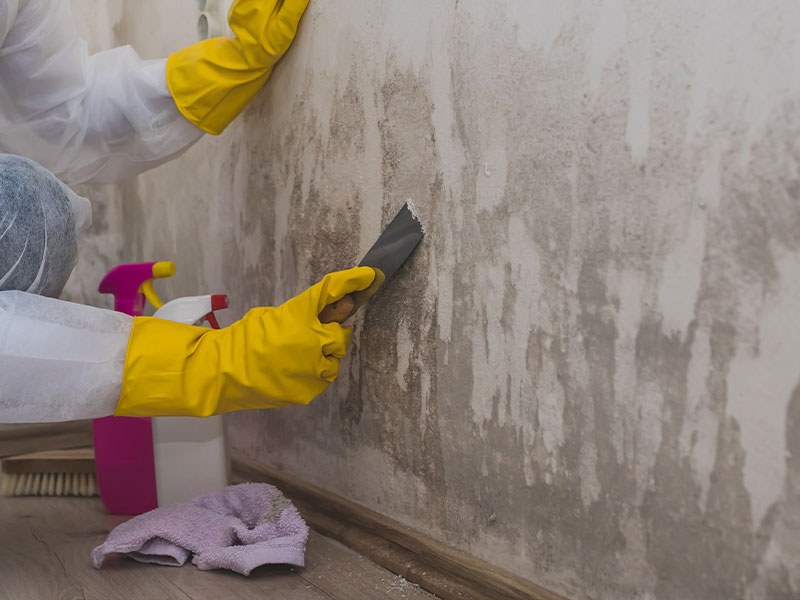
Look for wet spots, peeling paint, or soft areas on your ceiling. These signs mean water has gone deep and can cause big problems. Getting help from experts can make fixing the damage easier and safer.
Knowing what causes ceiling water damage helps homeowners act fast. Whether it’s a small stain or a big problem, fixing it quickly is best. This way, you avoid more damage and keep your home safe and looking good.
Will a Water Damaged Ceiling Dry Out?
Dealing with a water damaged ceiling can be tough for homeowners. Sometimes, a ceiling can dry out by itself. But, how well it dries depends on how much water got in and for how long.
It’s important to act fast. Move furniture and items away from the wet area to prevent more damage.
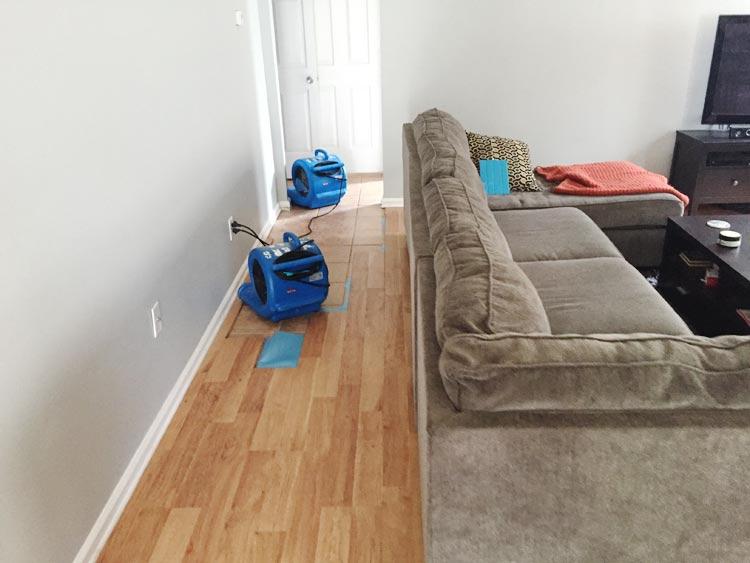
Using fans and dehumidifiers can help dry the ceiling faster. Fans blow air towards the wet ceiling to help dry it. Dehumidifiers pull out extra moisture from the air, which stops mold from growing.
But, *wet ceiling repair* might need more than just drying. If the damage is big, you should get a pro to check it out. They can see if the ceiling is okay and fix any hidden problems.
For small water damage, you might be able to dry the ceiling yourself. But, watch for mold or moisture that won’t go away. If you see mold, call a pro right away. Fixing water damage means making sure the area is safe and healthy to live in.
Conclusion
Understanding and fixing ceiling water damage is key to keeping your home safe. Spotting the problem early can stop it from getting worse. It’s possible to dry out a water-damaged ceiling, but you need to do it right to avoid more trouble.
Fixing the ceiling isn’t just about waiting for it to dry. You need to act fast, dry it properly, and sometimes call in the experts. This is vital for fixing the ceiling and keeping it strong over time.
To fix ceiling water damage well, you must stay alert and act quickly. Using the right methods to prevent and fix water damage will protect your home. This way, you can enjoy a safe and dry place to live for many years.
Trust the Experts at Emergency Restoration Services in Virginia Beach
When disaster strikes—pipe bursts, fires, storms—Emergency Restoration Services delivers 24/7 rapid response, skilled cleanup, and reliable repairs. Don’t wait—contact us today!