Yes, water-damaged furniture and electronics can often be saved if they are evaluated and restored quickly by professionals. Content restoration services use specialized cleaning, drying, deodorizing, and repair techniques to recover items such as furniture, electronics, documents, and personal belongings after water damage. However, the success of restoration depends on the type of material, level of damage, and how soon restoration begins.
Table of Contents
What Happens When Your Belongings Are Damaged by Water?
A burst pipe, flooding, appliance leak, or storm damage can leave more than just standing water behind. Many homeowners and business owners worry about what happens next: Can my furniture be saved? Are my electronics ruined? What about important documents and personal belongings?
Water damage can quickly affect valuable items, causing swelling, corrosion, mold growth, stains, and unpleasant odors. However, not everything exposed to water needs to be thrown away.
With professional content restoration services, many water-damaged belongings can be carefully cleaned, dried, repaired, and restored, but the success of restoration depends on several factors, including the type of material, level of contamination, and severity of the damage. Furniture, electronics, documents, and personal items each require different restoration methods, and a professional assessment helps determine which belongings can be safely recovered.
Can Water-Damaged Furniture Be Restored?
Yes, many types of water-damaged furniture can be restored, depending on the material, severity of damage, and how quickly restoration begins.
Furniture restoration after water damage typically involves:
- Removing excess moisture
- Professional drying techniques
- Cleaning and sanitizing surfaces
- Treating odors
- Repairing cosmetic damage
- Preventing secondary mold growth
Different materials react differently to water exposure.
Wood Furniture
Wood furniture can absorb moisture quickly. If untreated, water can cause:
- Swelling
- Cracking
- Warping
- Finish damage
- Mold development
Restoration specialists use controlled drying methods to remove moisture while protecting the structure of the furniture.
Upholstered Furniture
Couches, chairs, mattresses, and fabric-covered items can hold large amounts of water. Restoration professionals evaluate:
- Type of water exposure
- Fabric condition
- Level of contamination
- Drying requirements
Some upholstered items may be restored, while others may require replacement depending on safety concerns.
Antique and Valuable Furniture
Specialty furniture often requires additional care. Restoration experts can evaluate whether an item has historical, sentimental, or financial value before deciding the best restoration approach.
Understanding Water Damage Categories and How They Affect Restoration
Not all water damage is the same. The type of water involved plays an important role in determining whether furniture, electronics, documents, and other belongings can be restored.
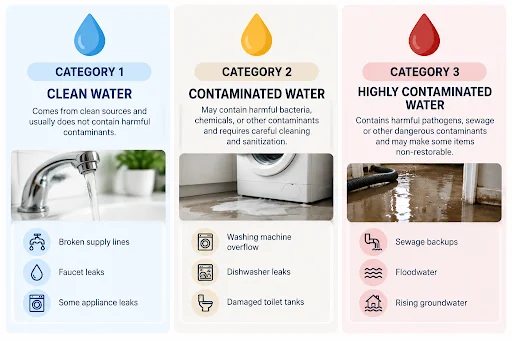
Restoration professionals typically evaluate water damage based on the level of contamination:
Category 1 Water Damage: Clean Water
Category 1 water comes from clean sources such as:
- Broken supply lines
- Faucet leaks
- Some appliance leaks
Items affected by clean water damage often have a higher chance of restoration when they are treated quickly.
Category 2 Water Damage: Contaminated Water
Category 2 water may contain contaminants and can come from sources such as:
- Washing machine overflow
- Dishwasher leaks
- Damaged toilet tanks
Belongings exposed to this type of water require more detailed cleaning and sanitization before restoration.
Category 3 Water Damage: Highly Contaminated Water
Category 3 water contains potentially harmful contaminants and may come from:
- Sewage backups
- Floodwater
- Rising groundwater
Items affected by Category 3 water require careful evaluation. Some porous materials may not be suitable for restoration due to safety concerns.
Why this matters:
The water category, combined with the material of the item and the length of exposure, helps restoration professionals determine whether an item can be cleaned, restored, or needs replacement.
How Does Electronics Restoration Work After Water Damage?
Many people assume water-damaged electronics are automatically destroyed. However, some electronics may be recoverable when handled correctly.
Electronics restoration requires specialized cleaning and evaluation because moisture can damage internal components even after visible water has dried.
Common electronics affected by water damage include:
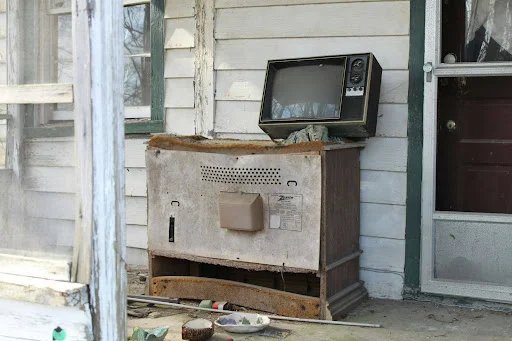
- Televisions
- Computers
- Gaming systems
- Office equipment
- Appliances
- Audio equipment
Professional electronics restoration may include:
- Inspection and damage assessment
- Safe disassembly when possible
- Removal of contaminants
- Drying and cleaning
- Testing functionality
Important Tip: Do Not Turn On Wet Electronics
Attempting to power on a wet electronic device can increase damage and create safety risks. Instead:
- Disconnect power if it is safe
- Avoid using heat sources like hair dryers
- Allow professionals to inspect the equipment
What Items Can Be Saved After Water Damage?
The ability to restore belongings depends on several factors:
| Item | Restoration Possibility | Common Restoration Process |
| Wooden furniture | Often possible | Drying, cleaning, refinishing |
| Upholstered furniture | Depends on damage level | Cleaning, drying, deodorizing |
| Electronics | Depends on internal damage | Inspection, cleaning, testing |
| Documents | Often possible | Specialized drying and restoration |
| Photos | Sometimes possible | Cleaning and preservation |
| Clothing | Often possible | Cleaning and odor removal |
Professional restoration teams evaluate each item individually before recommending restoration or replacement.
Contents Cleaning After Water Damage: Why It Matters
Water damage does not only affect the appearance of belongings. Moisture can create conditions where bacteria, odors, and mold can develop.
Contents cleaning after water damage focuses on restoring personal property while addressing:
- Dirt and debris
- Odors
- Moisture damage
- Contaminants
- Potential microbial growth
Professional restoration companies follow industry standards for cleaning, drying, and restoring damaged contents. Organizations such as the Institute of Inspection, Cleaning and Restoration Certification (IICRC) provide industry guidelines and certifications that help restoration professionals maintain proper restoration practices.
Emergency Restoration Services LLC operates a 15,000-square-foot facility where damaged contents can be restored off-site, including furniture and electronics, an advantage that many restoration providers do not offer.
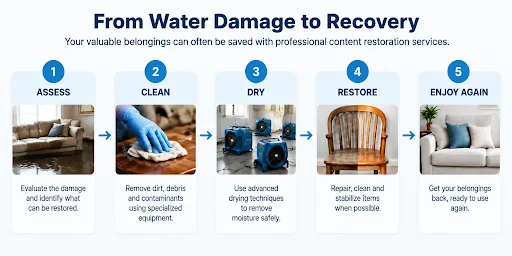
The Content Restoration Process: From Water Damage to Recovery
When water damage affects your belongings, the restoration process begins with a detailed evaluation to determine what can be saved. Professional restoration specialists use specialized equipment and proven techniques to carefully clean, dry, and restore damaged contents.
Each item is treated differently based on its material, condition, and level of water exposure. The goal is to recover valuable belongings whenever possible while preventing further damage.
The content restoration process typically includes five important steps:
1. Assess the Damage
Restoration professionals inspect affected belongings to determine the extent of damage and identify which items have the best chance of recovery.
2. Clean and Remove Contaminants
Specialized cleaning methods help remove dirt, debris, stains, and contaminants caused by water exposure.
3. Dry Items Safely
Professional drying equipment helps remove trapped moisture and reduces the risk of additional problems such as odors or mold growth.
4. Restore and Stabilize Belongings
Depending on the condition, items may be repaired, deodorized, refinished, or otherwise treated to restore their appearance and usability.
5. Return Restored Items
Once restoration is complete, recovered belongings can be returned and placed back into use.
Can Important Documents Be Restored After Water Damage?
After flooding or major water damage, FEMA recommends documenting damaged belongings and taking steps to begin recovery safely. Proper documentation can also help during insurance claim processes.
Examples include:
- Birth certificates
- Business records
- Tax documents
- Family photographs
- Legal paperwork
Professional document restoration services use specialized techniques to stabilize and restore paper materials.
Depending on the condition, restoration methods may include:
- Freeze drying
- Controlled drying
- Cleaning
- Deodorization
- Digitization recommendations
Quick action is important because paper materials become increasingly fragile when exposed to moisture.
Residential vs. Commercial Content Restoration Services
Water damage affects homes and businesses differently. Both require specialized approaches.
Residential Content Restoration Services
Homeowners often need help restoring:
- Furniture
- Family belongings
- Electronics
- Photos
- Important documents
- Personal items
Residential restoration focuses on preserving belongings that have personal and emotional value.
Commercial Content Restoration Services
Businesses may require restoration support for:
- Office furniture
- Computers
- Equipment
- Inventory
- Business records
Commercial content restoration services help reduce downtime by restoring important items and supporting business continuity.
Real Examples of Items That May Be Restored After Water Damage
Every water damage situation is different, but professional restoration can help recover many types of belongings when the right methods are used.
Example 1: Water-Damaged Furniture After a Pipe Leak
A homeowner experiences a burst pipe that floods a living room. Instead of immediately replacing furniture, restoration professionals inspect the sofa, wooden furniture, and other belongings to determine what can be cleaned, dried, and restored.
Example 2: Electronics Affected by Office Water Damage
A business experiences a plumbing failure that affects computers and office equipment. Professionals evaluate the electronics, remove moisture, and determine whether the devices can be safely restored.
Example 3: Important Documents After Flood Exposure
A family’s important paperwork and photographs are damaged during flooding. Document restoration specialists use specialized methods to stabilize and preserve valuable records whenever possible.
Example 4: Commercial Contents Recovery
A business faces water damage affecting furniture, equipment, and inventory. Commercial content restoration helps identify salvageable items and supports a faster recovery process.
Why Choose Professional Content Restoration Services Instead of DIY Cleanup?
After water damage, many property owners try cleaning items themselves. While minor cleanup may be possible, professional restoration provides several advantages:
1. Proper Damage Assessment
Professionals identify hidden moisture and determine which items are salvageable.
2. Specialized Equipment
Restoration companies use commercial-grade drying and cleaning equipment that is not typically available to homeowners.
3. Reduced Risk of Secondary Damage
Improper drying after water damage can create conditions that encourage mold growth. The U.S. Environmental Protection Agency (EPA) provides guidance on mold prevention and cleanup after moisture problems.
- Mold growth
- Persistent odors
- Structural deterioration
4. Insurance Documentation Support
Restoration professionals can help document damaged belongings for insurance claims.
How Long Does Water-Damaged Furniture and Electronics Take to Restore?
Restoration timelines vary based on:
- Amount of water exposure
- Material type
- Level of contamination
- Drying requirements
- Availability of replacement parts
Some items may be restored within days, while complex restoration projects may take longer.
A professional inspection is the best way to determine whether an item can be saved.
Quick Tips After Water Damage
Do:
- Remove items from standing water when safe
- Document damaged belongings with photos
- Separate wet and dry items
- Contact a restoration professional quickly
- Avoid disturbing mold-affected materials
Avoid:
- Turning on wet electronics
- Using household fans without proper drying assessment
- Throwing away valuable items before evaluation
- Waiting several days before seeking help
Key Takeaways
- Some water-damaged furniture and electronics may be recoverable depending on the damage conditions.
- Professional evaluation determines whether belongings can be restored.
- Furniture, electronics, documents, and personal items may be recoverable with specialized techniques.
- Professional content restoration services help reduce replacement costs and preserve valuable belongings.
- Fast action improves the chances of successful restoration.
Here is a stronger conclusion that ends naturally before your CTA section:
Protect Your Belongings With Professional Restoration Help
Water damage can be stressful, especially when it affects furniture, electronics, important documents, and personal belongings that hold financial or sentimental value. However, damaged items are not always a complete loss. With prompt action and professional restoration expertise, many belongings can be cleaned, restored, and preserved.
A professional evaluation can help determine which items can be recovered and what restoration methods are needed. From furniture and electronics to documents and other valuable contents, specialized restoration techniques can help reduce replacement costs and protect what matters most.
When water damage impacts your home or business, choosing an experienced restoration team can make the difference between losing your belongings and successfully recovering them.
Emergency Restoration Services LLC provides professional content restoration solutions designed to help homeowners and businesses restore damaged contents and move forward after water damage.
Need Help Restoring Water-Damaged Belongings?
Don’t wait until water damage causes further deterioration. Contact Emergency Restoration Services LLC today for expert content restoration services and find out which of your valuable belongings can be saved.
Schedule a content restoration assessment and restoration assistance.
Frequently Asked Questions
1. How do restoration professionals decide if an item can be saved?
Restoration experts evaluate the material type, level of damage, contamination, and overall condition before recommending restoration or replacement.
2. Can water-damaged items develop mold even after they appear dry?
Yes. Hidden moisture inside furniture, walls, or electronics can create conditions for mold growth if items are not properly inspected and dried.
3. Should I move my belongings after a water damage event?
Move items only if it is safe to do so. Some water-damaged materials may be fragile, contaminated, or heavier than expected due to moisture absorption.
4. Can sentimental items like family photos be restored after water exposure?
In many cases, photos and other sentimental belongings may be stabilized using specialized restoration techniques depending on their condition.
5. How can I prevent further damage before restoration begins?
Document damaged items, remove valuable belongings from affected areas when safe, avoid using damaged electronics, and contact a restoration professional as soon as possible.