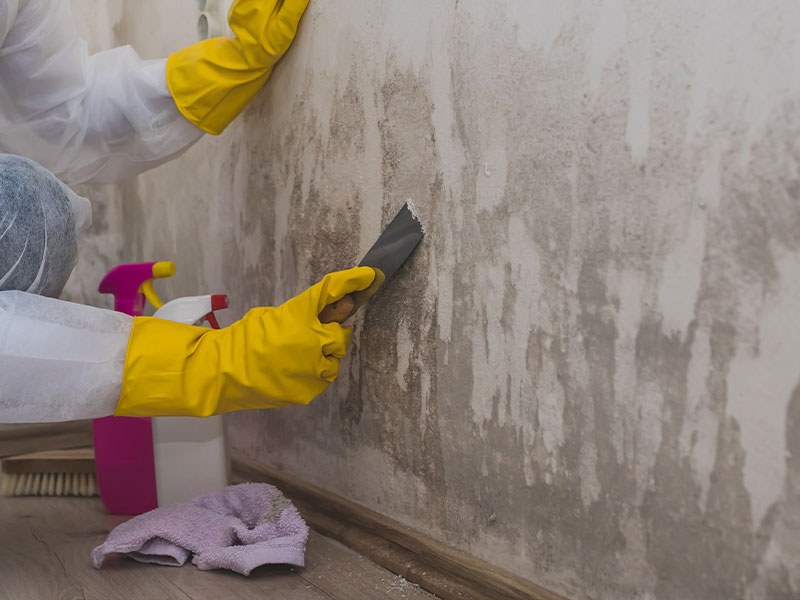
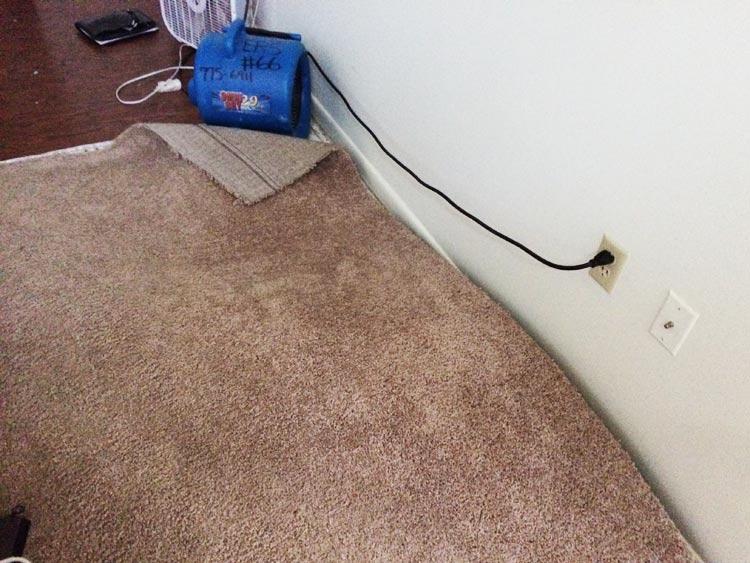
Yes, drywall can dry out after water damage if the moisture is addressed quickly and the drywall is not severely damaged. The drying process depends on factors such as the amount of water absorbed, how long the drywall was exposed, the type of water involved, and the drying conditions. If drywall remains wet for too long, it can lose strength and increase the risk of mold growth.
How fast can a leak in your home turn into a big problem? Drywall is very sensitive to water damage. The big question is: Can drywall dry out after water damage, or does it need to be replaced? It really depends on how much water it got and how quickly you act.
Stopping the leak, removing extra water, and using fans and dehumidifiers are key steps. But, if water stays for too long, it can damage the drywall and cause mold. Acting fast is very important.
The cost to fix drywall water damage can vary a lot. HomeAdvisor says it usually costs about $500, but it can be between $250 and $750. Drywall usually takes 3 to 5 days to dry completely. This shows how important it is to act quickly.
However, drywall drying time is not always a single timeframe. The actual drying period depends on the level of saturation:
| Saturation Level | Estimated Drying Time | Description |
| Light saturation | 24–72 hours | Small leaks, minor moisture exposure, or limited areas of wet drywall may dry within this timeframe when properly ventilated. |
| Moderate saturation | 3–5 days | Drywall exposed to more moisture may require longer drying with air movers and dehumidifiers. |
| Heavy saturation | 7–14 days or longer | Flooding, prolonged exposure, or deeply absorbed moisture may require extended drying and professional monitoring |
A moisture meter reading over 12% means the drywall is wet and needs to dry within 48 hours to avoid mold. If the drywall has been wet for more than 48 hours, you might need a professional to remove the water and mold.
Local hardware stores rent out equipment like air movers and dehumidifiers to help dry out your home. The type of water damage also affects the repair cost. Fixing water-damaged drywall quickly is much cheaper than replacing it later. Drywall’s paper surface can soak up water fast, making drying it out a challenge, especially in humid places.
Table of Contents
Understanding Drywall and Water Damage
Drywall is a common building material made of gypsum between two layers of paper. It absorbs water easily, which can cause problems. When wet, drywall can soak up water up to 30 inches, affecting its strength.
The time it takes for drywall to dry depends on how wet it is and the environment. Small spills might dry fast, but big ones can cause lasting damage. In severe cases, the damaged area might need to be replaced.
How fast drywall dries also depends on the environment. Humidity and temperature can speed up or slow down the drying process. Experts use special tools to help dry it out. These tools work best when used all the time, usually for about three days.
The paint on drywall can also affect how quickly it dries. Some paints, like glossy ones, make it harder for moisture to escape. Latex paints, however, let moisture dry out faster. To check if the drywall is drying properly, tools like moisture meters and infrared cameras are used.
When fiberglass insulation or Styrofoam is involved, it needs to be removed for drying. Inner-wall systems can be used for certain types of insulation. Creating holes in the wall helps water drain out, keeping the area dry.
Keeping drywall strong and preventing mold is important.
Can drywall get wet?
Yes, drywall can get wet, but the amount of moisture and length of exposure determine whether it can be dried or needs replacement. Small amounts of clean water exposure may be manageable if the drywall is dried quickly. However, prolonged exposure can weaken the gypsum core, damage the paper surface, and create conditions where mold can grow.
Wet drywall should be evaluated based on the source of the water, how long it has been wet, and whether the material has started showing signs of damage such as swelling, staining, crumbling, or mold growth.
Water Damage Classification: Clean, Gray, and Black Water
The type of water affecting drywall plays an important role in determining whether drying is possible and what safety precautions are needed.
| Water Classification | Description | Impact on Drywall |
| Clean Water (Category 1) | Water from clean sources such as supply lines, rainwater, or broken pipes without contaminants. | Drywall may often be dried and restored if addressed quickly and if structural damage has not occurred. |
| Gray Water (Category 2) | Water contains some contaminants, such as water from appliances, washing machines, or overflow sources. | Drywall may require professional evaluation because contaminants can increase health risks and damage potential. |
| Black Water (Category 3) | Highly contaminated water from sources such as sewage backups, flooding, or groundwater. | Drywall affected by black water often requires removal and replacement due to contamination risks. |
If you are unsure what type of water caused the damage, a professional water damage assessment can help determine the safest restoration approach.
Can wet drywall be dried out?
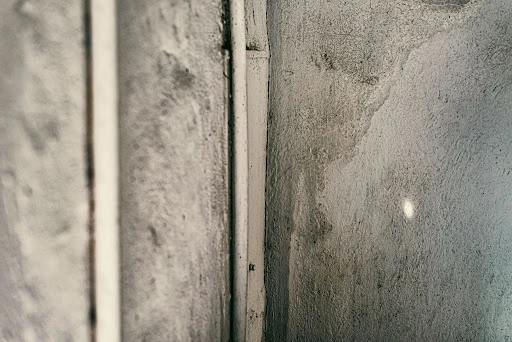
Yes, wet drywall can sometimes be dried out if the damage is identified quickly and the drywall remains structurally sound. Drying success depends on the amount of moisture absorbed, the water category, the length of exposure, and whether proper drying equipment is used.
Determining if drywall can dry out after water damage depends on the moisture level and how long it’s exposed. For example, floodwater can soak into walls up to 30 inches high, weakening them. It’s important to use tools like moisture meters to find hidden moisture and prevent long-term indoor air quality problems. The EPA Indoor Air Quality Resources provides additional information about managing indoor environmental conditions.
To start drying wet drywall, it’s key to stop the water source quickly. Homeowners can use air drying and tools like dehumidifiers and air movers.
Interior walls usually get more damage than exterior ones, so they need quick help. It’s also important to check for mold since it can grow on moist drywall in 48 hours. Drying walls within 72 hours after damage can stop mold and health risks.
Using a desiccant dehumidifier can help lower air humidity, even in cold weather. The drying time varies, from five days to several weeks, depending on the damage. Proper drying can prevent mold and damage, saving on repair costs and time.
If the damage is severe, getting professional help is best.
How to check if your wall has water
Checking for hidden moisture early can help prevent further drywall damage and mold growth. Look for these common warning signs:
- Water stains or discoloration on walls or ceilings
- Peeling, bubbling, or cracking paint
- Soft, swollen, or warped drywall areas
- A musty smell near walls or rooms affected by water
- Visible mold spots or dark staining
- Changes in wall texture or areas that feel damp to the touch
For a more accurate assessment, professionals use moisture meters and infrared cameras to locate moisture that may not be visible from the surface.
DIY Drywall Drying Checklist: When You Can Try It Yourself vs. When to Call a Professional
A homeowner may be able to dry drywall themselves when:
- The water source has been stopped
- The water is clean water from a minor leak
- The affected area is small and easily accessible
- The drywall is not swollen, soft, or falling apart
- There are no signs of mold growth
- Fans, ventilation, and dehumidifiers can be used safely
Call a professional restoration company when:
- The drywall has been wet for more than 48 hours
- The damage involves gray water or black water
- There is visible mold growth or a strong musty odor
- Large areas of drywall or insulation are saturated
- The wall structure may be affected
- You cannot confirm that hidden moisture has been removed
Will insurance cover drywall water damage?
Insurance coverage for drywall water damage depends on the cause of the damage, your policy details, and whether the damage was sudden or caused by a long-term issue. Many homeowners insurance policies may cover sudden and accidental water damage, such as damage from a burst pipe, but may not cover damage caused by ongoing leaks, poor maintenance, or preventable issues.
When filing a claim, document the damage by taking photos, recording affected areas, and keeping receipts for emergency repairs. A restoration professional can help identify the source of the damage, document moisture levels, and provide information needed during the claims process.
Emergency Restoration Services LLC works directly with homeowners to help manage the restoration process and provide documentation that can support insurance reimbursement.
Key Takeaways
- Drywall can often be dried and saved when water damage is addressed quickly.
- Drying time depends on saturation severity, environmental conditions, and drying equipment used.
- Lightly affected drywall may dry within 24–72 hours, while heavily saturated drywall can take 7–14 days or longer.
- Clean water damage may be easier to manage, while gray or black water damage may require professional evaluation and removal.
- If drywall shows structural damage, mold growth, or extensive saturation, contacting a professional restoration company is recommended.
Conclusion
Dealing with drywall water damage is crucial for your home’s safety and longevity. Drywall can dry out, but you must start the process right away. This helps avoid major damage.
Removing moisture and using drying technologies like dehumidifiers are key. Also, keeping the area well-ventilated is important. These steps help dry out the drywall.
Fixing drywall water damage early can save you from big repairs or even replacing it. Drying usually takes 3 to 5 days, depending on the damage and methods used. It’s vital to act fast because mold can grow in 24 to 48 hours if not dried properly.
The actual drying timeframe depends on the severity of saturation. Light moisture exposure may dry within 24–72 hours, moderate saturation may take 3–5 days, and severe water damage may require 7–14 days or more with professional drying equipment.
Look out for signs like watermarks, peeling paint, and mold. These are signs you need to take action. Identifying and managing the damage early is key.
If the damage is severe, getting professional help is a good idea. Experts can dry everything out, handle mold, and keep your home safe. Regular checks for leaks and controlling humidity in moist areas are also important.
Emergency Restoration Services LLC provides professional water damage restoration, moisture assessment, drying services, and support throughout the restoration process. Their team can help determine whether drywall can be dried or if replacement is required. Call us!
Being proactive can protect your home from future water damage. This keeps your home safe and its value intact.
Frequently Asked Questions
1. Should I remove wet drywall immediately?
Not always. Small areas of clean water damage may be dried and restored if caught early. However, severely saturated drywall, contaminated water damage, or drywall showing signs of deterioration may need removal.
2. Does a fan help dry wet drywall?
Yes, fans can improve airflow and support drying, but they work best when combined with dehumidifiers that remove moisture from the air.
3. Can painted drywall dry after water damage?
Painted drywall can dry, but some paint types may slow evaporation by trapping moisture inside the wall. A moisture inspection can help determine whether the wall is drying properly.
4. What happens if drywall stays wet too long?
Wet drywall can become weak, develop stains, lose its structural integrity, and create an environment where mold can grow.
5. Do I need to replace insulation after drywall gets wet?
Insulation may need removal if it has absorbed contaminated water or cannot dry properly. A professional inspection can help determine whether it can be restored or replaced.